
E001 · Emotional experience & regulation
Difficulty regulating emotions
What might be making this emotion so difficult to manage, express or recover from right now?
Phoenix Encyclopaedia
Overview
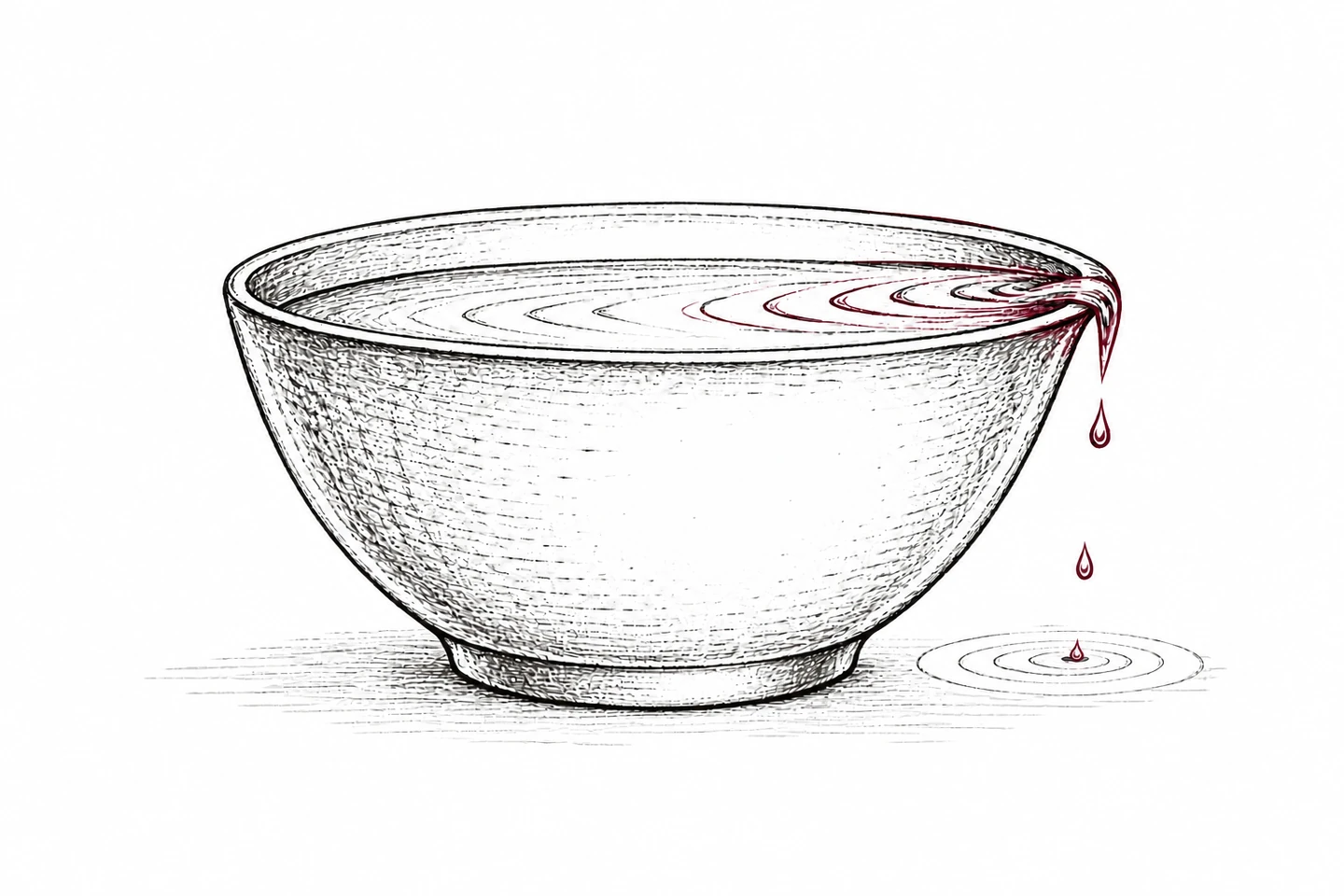
Everyone sometimes experiences emotions that feel difficult to manage. For some young people, however, emotions can become intense very quickly, last for a long time, become difficult to communicate, or require significant support and time to recover from.
Difficulty regulating emotions is not simply about having “big feelings”. Regulation involves noticing what is happening internally, making sense of it, communicating or responding to it, accessing strategies that help, and eventually returning to a manageable state.
These capacities develop over time. Crucially, regulation is not something a young person simply learns to do alone. It develops through repeated experiences of being regulated with another person. Co-regulation therefore sits at the centre of this presentation.
Difficulty regulating emotions is a presentation rather than a diagnosis. There is no meaningful single prevalence figure: it can occur across childhood and adolescence, across many different developmental profiles, and in response to particular environments or circumstances.
Phoenix Encyclopaedia
What this might look like
A young person might:
- move rapidly from apparently settled to highly distressed;
- shout, cry, swear, argue or become physically agitated;
- become silly, restless or unusually excitable when overwhelmed;
- leave, hide, withdraw or refuse interaction;
- freeze or appear unable to respond;
- struggle to communicate what has happened;
- become aggressive towards objects, themselves or other people;
- experience panic or intense fear;
- take considerably longer than others to recover;
- appear calm during an event but become distressed later;
- need substantial adult support to regain a sense of safety;
- become distressed by relatively small events when their available capacity is already low.
The visible behaviour is often the end of the process, rather than its beginning.
Don’t assume
Do not assume that a young person who is highly distressed:
- chose to escalate;
- could have used a strategy if they “really wanted to”;
- is being manipulative;
- needs a stronger consequence;
- can explain their behaviour while still highly aroused;
- has recovered simply because the visible behaviour has stopped.
A young person can look calm while their nervous system is still recovering.

Phoenix Encyclopaedia
Developmental expression
At this stage
Early childhood
Regulation is naturally highly dependent on adults. Difficulties may appear through prolonged crying, physical distress, fleeing, pushing away, throwing, collapsing, intense protest or needing substantial physical and relational reassurance.
Early childhood
Regulation is naturally highly dependent on adults. Difficulties may appear through prolonged crying, physical distress, fleeing, pushing away, throwing, collapsing, intense protest or needing substantial physical and relational reassurance.
Middle childhood
Increasing expectations for independence can expose differences in regulation. A young person may become overwhelmed by classroom demands, friendship difficulties, correction, transitions or unexpected change. Adults may begin to interpret distress as deliberate behaviour because the young person is now considered “old enough to know better”.
Early adolescence
Emotional experiences may become more complex while social and academic expectations increase. Distress may present through anger, withdrawal, school avoidance, self-critical thinking, conflict, masking or delayed collapse after sustained effort.
Later adolescence
Some young people develop sophisticated ways of hiding distress while still experiencing significant internal dysregulation. Difficulties may become visible around relationships, examinations, independence, employment, decision-making or cumulative exhaustion.
Development does not necessarily make a difficulty disappear. Sometimes the presentation becomes less visible while the effort required to manage it increases.
Choose each stage to see how the presentation and surrounding expectations may change over time.
Phoenix Encyclopaedia
Strengths and differences
Young people who experience emotions intensely may also bring:
- strong emotional awareness of others;
- passion and enthusiasm;
- loyalty and commitment;
- sensitivity to relationships and injustice;
- creativity;
- strong values;
- emotional depth;
- an ability to notice subtle interpersonal changes.
The aim is not to make a young person less emotional. It is to help emotions become safer, more understandable and more manageable.
Phoenix Encyclopaedia
Top tips
- Regulate yourself before trying to regulate the young person.
- Notice early signs rather than waiting for crisis.
- Reduce language as arousal increases.
- Preserve dignity.
- Allow genuine recovery time.
- Explore what happened once the young person is calm enough to think.
- Teach emotional language and strategies outside moments of crisis.
- Look for patterns across environment, relationships, demands and physical state.
- Repair relationships after difficult moments rather than requiring ritualised apologies.
Try asking
“What happened before the behaviour became visible?”
And:
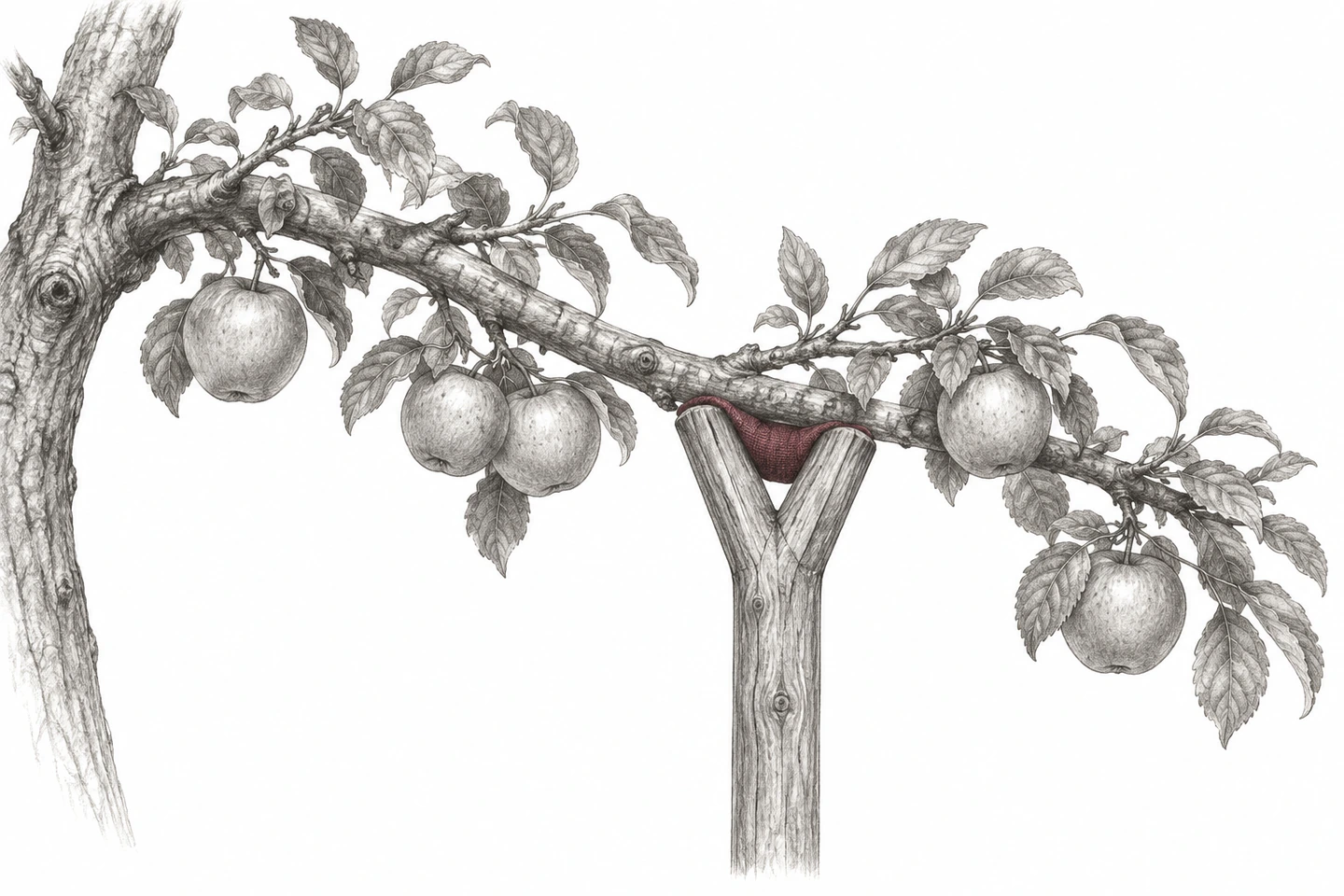
“What does this young person need from us in order to borrow some regulation until they can access more of their own?”
Phoenix Encyclopaedia
Things needing careful planning
Particular consideration may be needed around:
- transitions;
- unstructured times;
- changes of staff or routine;
- assemblies and large-group activities;
- difficult lessons;
- assessment and examinations;
- conflict with peers;
- transport;
- trips and unfamiliar environments;
- returning to learning after distress;
- communication with home;
- what recovery looks like for this particular young person.
A plan should describe how adults will respond, not simply what the young person is expected to do.
Phoenix Encyclopaedia
Practical support principles
A useful sequence is:
Notice → connect → reduce → regulate together → recover → understand → repair → build capacity
Helpful approaches include:
- predictable and emotionally safe environments;
- calm, regulated adults;
- strong relational consistency;
- identifying early physiological and behavioural signs;
- reducing unnecessary demands during high arousal;
- fewer words and slower communication;
- access to low-stimulation or safer spaces;
- co-regulation;
- sufficient recovery time;
- emotional vocabulary developed when calm;
- helping the young person notice bodily signs;
- building a personalised repertoire of regulation strategies;
- collaborative reflection after difficult events;
- relational repair.
Avoid demanding lengthy explanations, reasoning, apologies or problem-solving while the young person remains highly dysregulated.
From understanding to support
Phoenix Atlas connections
Particularly relevant approaches include:
- Co-regulation
- Low-arousal approaches
- De-escalation
- Relationship and trust building
- Emotion coaching
- Zones of Regulation / structured emotional-regulation frameworks
- Mindfulness and present-moment regulation, where developmentally appropriate
- Environmental adaptation
- Recovery planning
The intervention should follow formulation. A strategy that regulates one young person may increase distress for another.
Phoenix Encyclopaedia
Evidence and cautions
Emotional regulation is shaped by development, relationships, physiological state, environment and experience. A systematic review of parent-child co-regulation found associations with children's self-regulation while also stressing variation across contexts and methods. Regulation strategies are therefore unlikely to work well when taught as isolated techniques without attention to the situations in which dysregulation occurs. (1)
Emotion-regulation measurement is itself heterogeneous, and intervention findings concern multiple skills and outcomes rather than a single visible behaviour. Repeated sanctions, emotion-word teaching or fewer visible incidents should not, on their own, be treated as proof that regulation is now independently available under high arousal. (2; 3)
Phoenix therefore asks whether the young person is developing greater capacity, safety, agency and understanding, including access to support when it is needed.
Phoenix Encyclopaedia
Public evidence sources
- 1. Parent-child coregulation and self-regulation in childhood and adolescence — systematic review and meta-analysis.
- 2. Measurement of emotion regulation in children and adolescents — systematic review.
- 3. Psychosocial interventions for emotion regulation in children and adolescents — systematic review and meta-analysis.
Phoenix Encyclopaedia
Possible explanatory lenses
This presentation may sometimes be explored in relation to anxiety, sensory differences, executive-function differences, communication differences, developmental trauma, attachment and relational experiences, ADHD, autism, learning needs, mood difficulties or environmental stress.
These lenses may help formulation, but the starting question remains:
What is making regulation difficult for this young person, in this environment, at this moment?
About this entry’s source
Open Beta · read the evidence notes and limitations
Source status describes the underlying material. The current site edition is Open Beta; the evidence notes and limitations remain part of the entry.
Phoenix Atlas · Open Beta
Explore connected approaches
These Atlas entries link to this topic for a specific reading purpose. Follow the connection and its limits in the entry; it is not an automatic intervention recommendation.
validation is being completed by subject matter experts