
E017 · Participation, relationships & agency
Behaviour that creates safety concerns
How do we protect everyone now while still asking what has made this behaviour necessary, possible or more likely for this young person?
Phoenix Encyclopaedia
Overview
Some behaviour creates an immediate risk of injury, serious disruption, exploitation or loss of access. Adults have a duty to act on that risk.
Safety, however, is not secured by description alone. Words such as “aggressive”, “challenging” or “dangerous” can hide very different actions, levels of risk and functions. A young person who pushes past an adult to escape overwhelming noise requires a different plan from a young person who seeks a predictable reaction, cannot communicate pain, is responding to threat, or has learned that escalation is the only reliable way to end an impossible demand.
The behaviour may be communication, protection, escape, sensory regulation, an attempt to gain access, a response to pain or fear, or part of a pattern that has been reinforced by what happens around it. More than one function can be present, and the function can change.
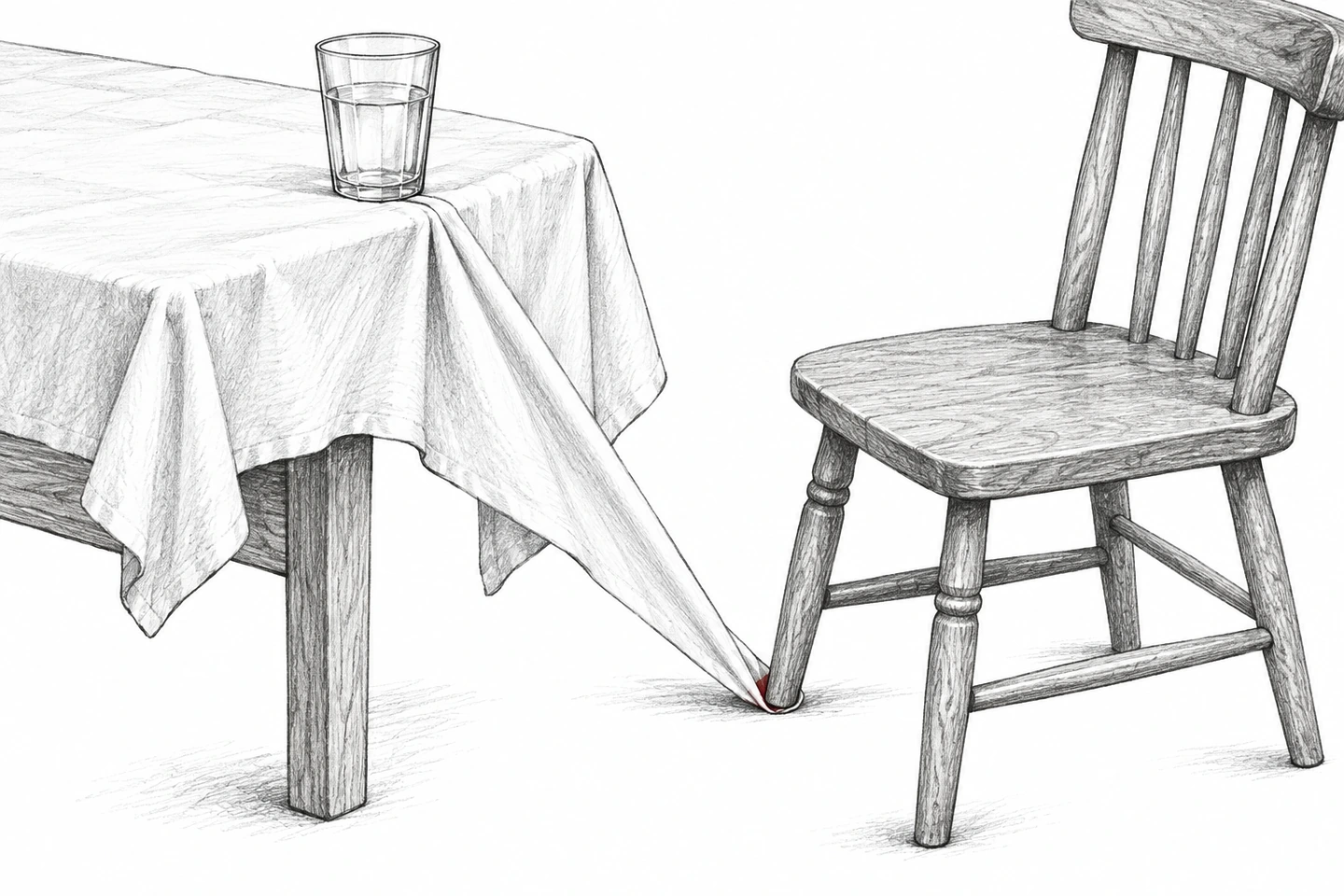
Immediate safety and compassionate understanding belong in the same plan. Curiosity must never delay urgent protection; protection must never end the effort to understand and prevent recurrence.
Phoenix Encyclopaedia
What this might look like
Safety concerns may include:
- hitting, kicking, biting, scratching or head-butting;
- throwing objects or overturning furniture;
- self-injury;
- running from supervision or towards traffic, water or other hazards;
- dangerous climbing, jumping or use of equipment;
- threatening with an object or using an object as a weapon;
- fire-setting or unsafe experimentation;
- sexual behaviour that breaches consent or safety;
- rapid escalation in a crowd, queue, vehicle or confined space;
- property damage that creates sharp edges, broken glass or blocked exits;
- unsafe online contact, sharing or financial behaviour;
- behaviour that is rare but high impact;
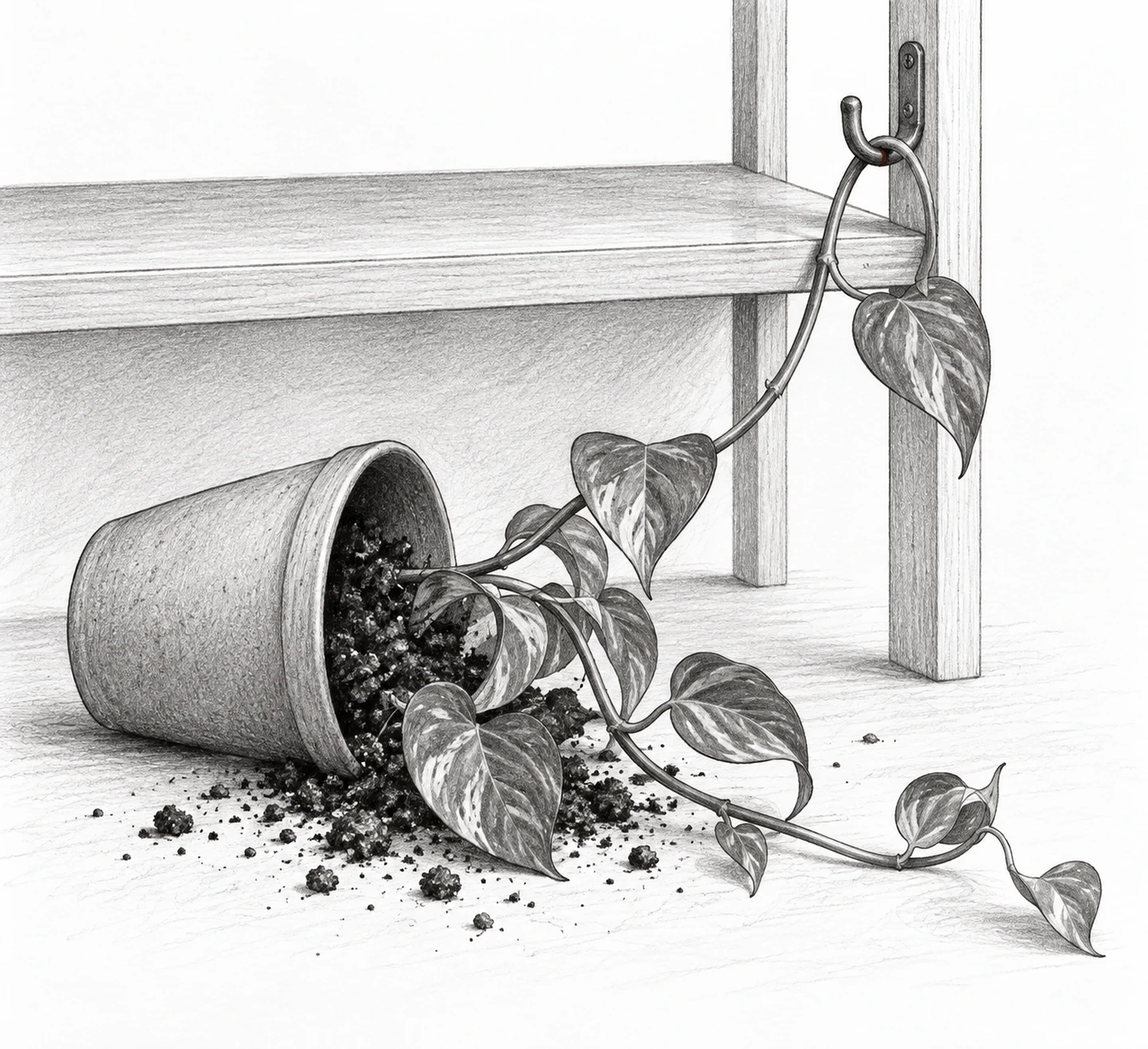
- a sequence in which early distress cues are missed until the final action is the only part adults notice.
The description must be precise. “Had a meltdown” is not enough for risk planning. Record what the young person did, what happened before and after, who was present, the duration, the actual harm or near miss, and what helped the situation become safer.
Phoenix Encyclopaedia
How this may change through development
At this stage
Early childhood
Young children have limited language, impulse control, danger awareness and ability to wait. Biting, hitting or running may be developmentally common at some points, but frequency, intensity, context and impact still matter.
Adults should consider communication, sleep, pain, sensory load, attachment and environmental demands before treating the behaviour as deliberate misconduct.
Early childhood
Young children have limited language, impulse control, danger awareness and ability to wait. Biting, hitting or running may be developmentally common at some points, but frequency, intensity, context and impact still matter.
Adults should consider communication, sleep, pain, sensory load, attachment and environmental demands before treating the behaviour as deliberate misconduct.
Middle childhood
Physical size, school expectations and peer responses change the consequences of the same action. A behaviour that adults previously managed informally may now trigger exclusion or restrictive intervention.
Patterns can become established if escalation is the only reliable route out of an overwhelming task, into adult connection or towards something the young person needs.
Early adolescence
Puberty, stronger bodies, increased independence and heightened social threat can raise both actual and perceived risk. Shame after an incident may fuel concealment, avoidance or further escalation.
Plans must address transport, online environments, relationships, sexual safety, community access and the young person’s growing right to participate in decisions.
Later adolescence
Behaviour may increasingly be interpreted through adult legal, workplace or public-safety frameworks. The costs of misunderstanding become higher.
Support should include self-advocacy, consent, crisis contacts, safe exit plans, travel and employment risks, and a clear transition between children’s and adult services where specialist support is required.
Choose each stage to see how the presentation and surrounding expectations may change over time.
Phoenix Encyclopaedia
Strengths and differences
Behaviour that creates risk can coexist with:
- a strong drive for autonomy;
- rapid recognition of unfairness or threat;
- persistence and determination;
- intense loyalty or protectiveness;
- physical energy and courage;
- clear preferences that have not yet found a safe communication route;
- growing ability to identify early warning signs;
- willingness to repair when shame and fear are reduced.
The behaviour itself should not be romanticised. Strengths help build an effective alternative, but safety requires specific planning, teaching and environmental change.
Phoenix Encyclopaedia
Top tips for support
Make the immediate situation safer
Reduce access to hazards, create space, move other people calmly where appropriate and summon trained help when the risk exceeds the capacity of those present. Use the least restrictive response capable of addressing the immediate danger.
Lower social and language pressure
One calm lead adult, fewer words, time to process and a visible exit can reduce escalation. Crowding, rapid questioning, commands from several adults or a public demand for explanation often add load.
Respond to the earliest reliable cue
Identify changes in voice, movement, gaze, posture, pacing, repetition, withdrawal or communication that precede dangerous action. Access to support should begin there, not only after harm.
Check pain, health and basic needs
A marked or unexplained change warrants attention to pain, illness, sleep, medication, hunger, toileting, seizures, substance use, mental health and possible abuse or exploitation.
Teach an alternative that works
A break card, AAC message, safe movement route, request for help or agreed exit will only replace dangerous behaviour if adults notice it quickly and honour it consistently enough to be trustworthy.
Debrief later and with purpose
Wait until regulation and communication have returned. Reconstruct the sequence without humiliation, identify what helped, repair harm and change the plan. Do not require a distressed young person to produce insight on demand.
Support the adults
Plans fail when staff are frightened, unsupported, inconsistent or unclear about roles. Training, rehearsal, supervision and post-incident support protect both the young person and the adults around them.
Phoenix Encyclopaedia
Things needing careful planning
Risk planning should combine a clear behavioural description with a working formulation.
Consider:
- severity, frequency, duration, predictability and recent change;
- who or what may be harmed, and how;
- times and situations in which the behaviour does and does not occur;
- communication before, during and after the event;
- pain, health, sleep, medication and substance use;
- trauma, abuse, exploitation, bereavement or major life change;
- sensory features and physical environment;
- demands, transitions, waiting, uncertainty and denied access;
- staff responses and unintended reinforcement;
- skills or communication routes that could meet the same need more safely;
- the young person’s view of triggers, safety and recovery;
- thresholds for specialist, safeguarding or emergency involvement;
- exactly who leads, who clears the area, who contacts help and who records the event.
A plan must be usable in the real setting. It should distinguish proactive support, early response, immediate safety action, recovery and post-incident review. It should name any restrictive practice explicitly, specify lawful governance and training, and seek to reduce its future use.
Phoenix Encyclopaedia
Practical support principles
Use one continuous cycle:
1. Stabilise — address imminent danger with the least restrictive effective action. 2. Recover — restore regulation, dignity, physical wellbeing and communication. 3. Understand — examine the whole sequence and the conditions around it. 4. Prevent — change environment, routine, communication and adult response. 5. Teach — establish a safer, efficient way to meet the same need. 6. Rehearse — ensure adults and the young person know the plan before the next crisis. 7. Review — track safety, quality of life, implementation and any restrictive practice.
Success is not merely fewer recorded incidents. It includes reduced injury and distress, earlier communication, greater participation, fewer restrictions, more reliable recovery and a better quality of life.

From understanding to support
Relevant Phoenix Atlas approaches
| Approach | Fit | Why |
|---|---|---|
| WAL-006 Positive Behaviour Support | Often useful | Provides a framework for functional understanding, proactive quality-of-life change, skills teaching and measured review. |
| A001 Low-arousal approachesAtlas record available | Often useful | Can reduce unnecessary interpersonal pressure and help adults respond consistently during rising distress. |
| A003 Co-regulationAtlas record available | Often useful | Supports early recognition, safe recovery and relational repair without making calmness a precondition for care. |
| A005 Environmental adaptationAtlas record available | High-priority match | Many risks are shaped by noise, crowding, predictability, access and task design; this approach is scheduled for Bramley Batch 03. |
| A017 Communication partner strategiesAtlas record available | High-priority match | Adult responsiveness and an efficient alternative communication route may be central; this approach is scheduled for Bramley Batch 03. |
Phoenix Encyclopaedia
Evidence and cautions
NICE guidance for people with learning disabilities and behaviour that challenges recommends a phased, person-centred assessment that considers communication, health, medication, trauma, sensory profile, environment, life events and the role of services and staff. It recommends functional assessment, proactive environmental and quality-of-life strategies, alternative skills serving the same function, objective outcome data and frequent review. These are strong planning principles, but the diagnosis-specific guideline should not be treated as proof that every young person showing dangerous behaviour has a learning disability.
The same guideline says reactive strategies should be used only as a last resort alongside proactive interventions. Where restriction is used, it calls for an ethically sound, graded approach beginning with the least restrictive alternatives, individual risk assessment, documentation and review.
In England, Department for Education guidance titled Restrictive interventions, including the use of reasonable force, in schools has been effective since 1 April 2026. Schools must use the current statutory and organisational framework, including the associated recording and reporting requirements, rather than relying on memory or outdated local custom.
Functional hypotheses are provisional. An observed pattern can guide a safer test of environmental change and skills teaching, but it does not reveal intention with certainty. Medication, sensory activities or consequence systems should not be used as stand-alone substitutes for assessment of the person, the environment and the function of the behaviour.
Source notes
Phoenix Encyclopaedia
Explanatory lenses
Behaviour that creates safety concerns may occur alongside learning disability, autism, ADHD, language or communication needs, trauma, anxiety, mood disorder, psychosis, substance use, sensory differences, epilepsy, sleep disturbance, pain or other physical and mental-health conditions.
It may also be shaped by inaccessible teaching, repeated coercion, bullying, deprivation, abuse, discrimination, unstable relationships, inconsistent boundaries, an unsafe environment or a history in which only extreme behaviour has produced an effective response.
Diagnosis and specialist formulation can be essential where risk is severe or persistent. Neither replaces immediate safeguarding, health assessment, environmental change or the young person’s participation.
The continuing Phoenix question is:
“What keeps everyone safe now, what is this pattern telling us, and what must change so the young person has a safer way forward?”
About this entry’s source
Open Beta · read the evidence notes and limitations
Source status describes the underlying material. The current site edition is Open Beta; the evidence notes and limitations remain part of the entry.
Phoenix Atlas · Open Beta
Explore connected approaches
These Atlas entries link to this topic for a specific reading purpose. Follow the connection and its limits in the entry; it is not an automatic intervention recommendation.
validation is being completed by subject matter experts