
E099 · Participation, relationships & agency
Difficulty resolving disagreements and repairing relationships
What might be happening when a disagreement, mistake or relational rupture becomes difficult to resolve, leaving a young person or relationship stuck after the original conflict has ended?
Phoenix Encyclopaedia
Overview
Conflict is not evidence that a relationship has failed.
Friends, families, classmates and adults disagree.
Healthy relationships often depend less on never having conflict than on being able to:
- communicate different perspectives
- negotiate
- pause when emotions are high
- recognise harm
- establish what each person needs next
- apologise where appropriate
- accept repair where wanted
- renegotiate boundaries
- sometimes decide that a relationship should not continue.
For some young people, the period after conflict is particularly difficult.
They may remain angry, ashamed, uncertain or frightened about what the disagreement means for the relationship.
They might not know how to restart interaction.
Others may apologise immediately to end discomfort without believing they did anything wrong.
Phoenix therefore needs a broader concept than simply conflict resolution.
The issue is:
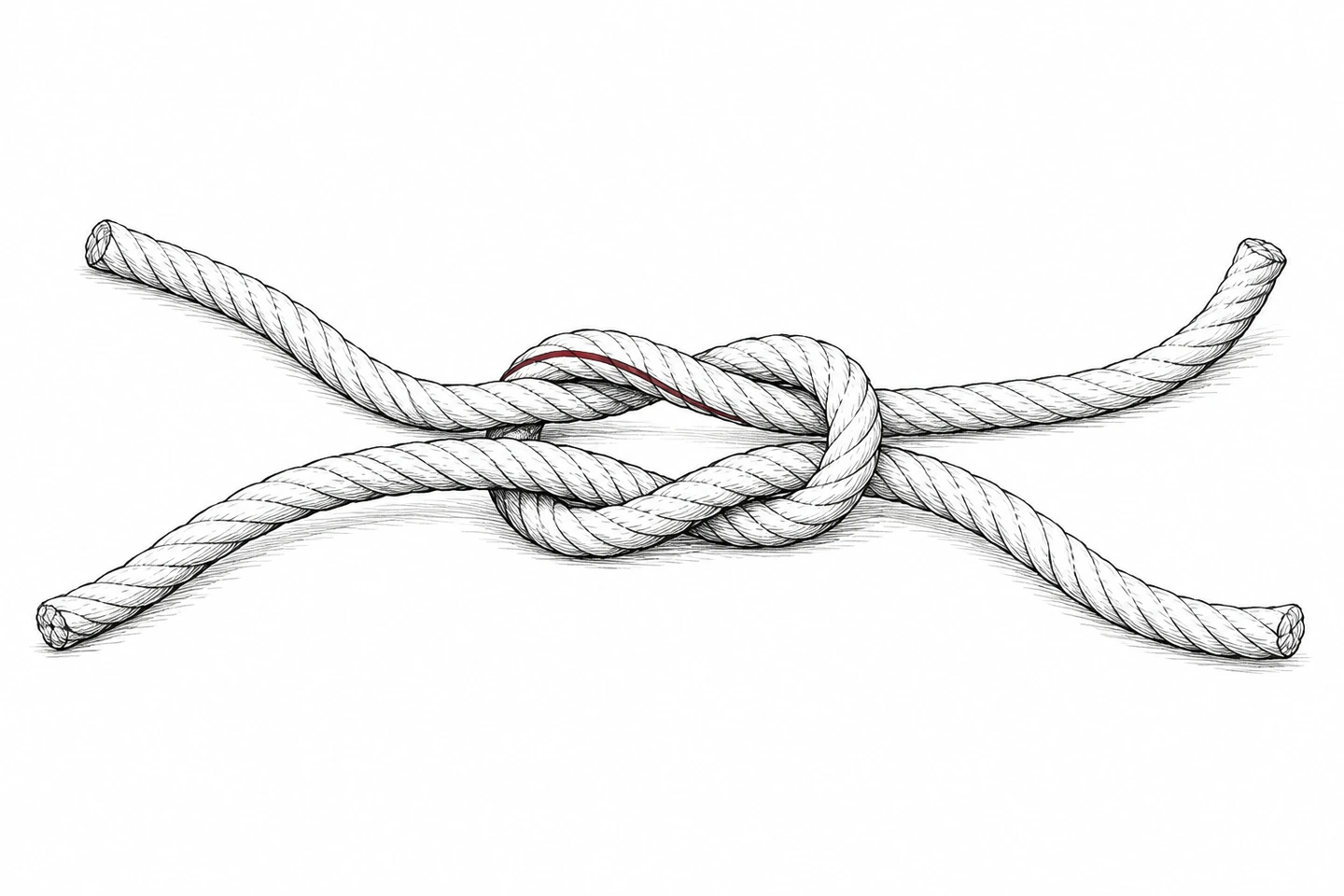
Can the young person navigate rupture and what comes next in a way that preserves their agency and relationships where those relationships are worth preserving?
Phoenix Encyclopaedia
What this might look like
A young person might:
- remain angry long after a disagreement
- avoid someone because they do not know how to reconnect
- assume one argument means a friendship has ended
- repeatedly reopen a resolved conflict
- struggle to hear another person's perspective while distressed
- insist on determining who was entirely right or wrong before moving on
- apologise automatically despite feeling harmed themselves
- refuse apologies because trust has not actually been repaired
- want to reconnect but not know what to say
- experience intense shame after making a mistake
- expect relationships to return immediately to normal following serious harm
- become caught in repeated cycles of rupture without meaningful repair.
Phoenix Encyclopaedia
Developmental expression
At this stage
Early childhood
Adults provide substantial support with turn-taking, negotiation, apology and returning to play after conflict.
Early childhood
Adults provide substantial support with turn-taking, negotiation, apology and returning to play after conflict.
Middle childhood
Friendships become more enduring and relational repair increasingly depends on understanding motives, perspectives and ongoing group dynamics.
Early adolescence
Conflict may occur across face-to-face and digital communication simultaneously, with peer audiences increasing the stakes.
Later adolescence
Romantic relationships, employment, education and greater independence require increasingly nuanced decisions about negotiation, forgiveness, boundaries and whether relationships should continue.
Choose each stage to see how the presentation and surrounding expectations may change over time.
Phoenix Encyclopaedia
Strengths and differences
Young people who struggle to move on may also:
- care deeply about fairness
- take relationships seriously
- remember relational events clearly
- have strong moral principles
- value genuine rather than superficial repair.
Phoenix should not equate repair with:
forgive immediately or restore the previous relationship.
Sometimes the healthiest outcome after conflict is a new boundary or the end of a relationship.
Phoenix Encyclopaedia
Top tips for support
- Allow regulation before requiring repair.
- Establish what each person thinks happened.
- Avoid compulsory apologies.
- Distinguish apology from actual repair.
- Help identify what would make the situation safer or fairer next time.
- Allow disagreement about interpretation.
- Model how adults repair mistakes.
- Support young people to make amends without requiring shame.
- Do not force reconciliation following bullying, abuse or coercion.
- Recognise that trust can take longer to rebuild than behaviour takes to settle.
Phoenix Encyclopaedia
Things needing careful planning
Research on peer conflict shows that strategies differ developmentally and by relationship and context. A developmental meta-analysis found negotiation to be a major conflict-resolution strategy, with patterns of coercion, disengagement and negotiation changing with age. (1)
Subsequent work continues to show that conflict management involves multiple strategies and varies with the type and seriousness of the conflict. Emotional and relational context therefore matters when adults interpret a young person's response. (2)
That gap helps E099 earn its place.
Phoenix is interested not only in:
“How was the disagreement ended?”
but:
“What happened to the relationship afterwards?”
Phoenix Encyclopaedia
Practical support principles
Useful support may include:
- regulation before discussion
- collaborative problem solving
- perspective-taking
- identifying needs
- restorative approaches used voluntarily and safely
- repair language
- modelling apology
- making amends
- renegotiating boundaries
- allowing relational distance
- explicit teaching about healthy conflict.
From understanding to support
Phoenix Atlas connections
Often useful
- collaborative problem solving
- restorative practice
- relationship repair
- emotional literacy
- conflict-resolution approaches
Worth considering
- mediation
- systemic approaches
- therapeutic work around repeated relational patterns.
Phoenix Encyclopaedia
Evidence and cautions
In a large study of 14-year-olds, adolescents' preferred conflict strategies varied according to the type and seriousness of the conflict, with negotiation the most frequently suggested strategy but coercive approaches more likely under some conditions. (2)
There is therefore no single context-free correct conflict strategy.
And Phoenix should be particularly wary of institutional restorative practice becoming another normalising technology:
“You have completed the restorative conversation, therefore the relationship is repaired.”
A process is not restorative because adults call it restorative.
The relevant test is whether it creates meaningful opportunities for:
- voice
- responsibility
- safety
- agency
- genuine repair.
Phoenix Encyclopaedia
Public evidence sources
- Developmental patterns in children's peer conflict strategies — meta-analysis.
- Adolescents' strategies for resolving peer conflict — research study.
Phoenix Encyclopaedia
Possible explanatory lenses
Relevant possibilities include:
- emotional regulation
- social communication
- rejection sensitivity
- shame
- cognitive flexibility
- fairness
- relational history
- trauma
- peer-group dynamics
- communication differences.
About this entry’s source
Open Beta · read the evidence notes and limitations
Source status describes the underlying material. The current site edition is Open Beta; the evidence notes and limitations remain part of the entry.
Phoenix Atlas · Open Beta
Explore connected approaches
These Atlas entries link to this topic for a specific reading purpose. Follow the connection and its limits in the entry; it is not an automatic intervention recommendation.
validation is being completed by subject matter experts