
E080 · Sensory experience, body & daily living
Strong responses to touch, clothing or grooming
What might be happening when touch, particular clothing sensations or everyday grooming experiences create significant discomfort, distress or avoidance?
Phoenix Encyclopaedia
Overview
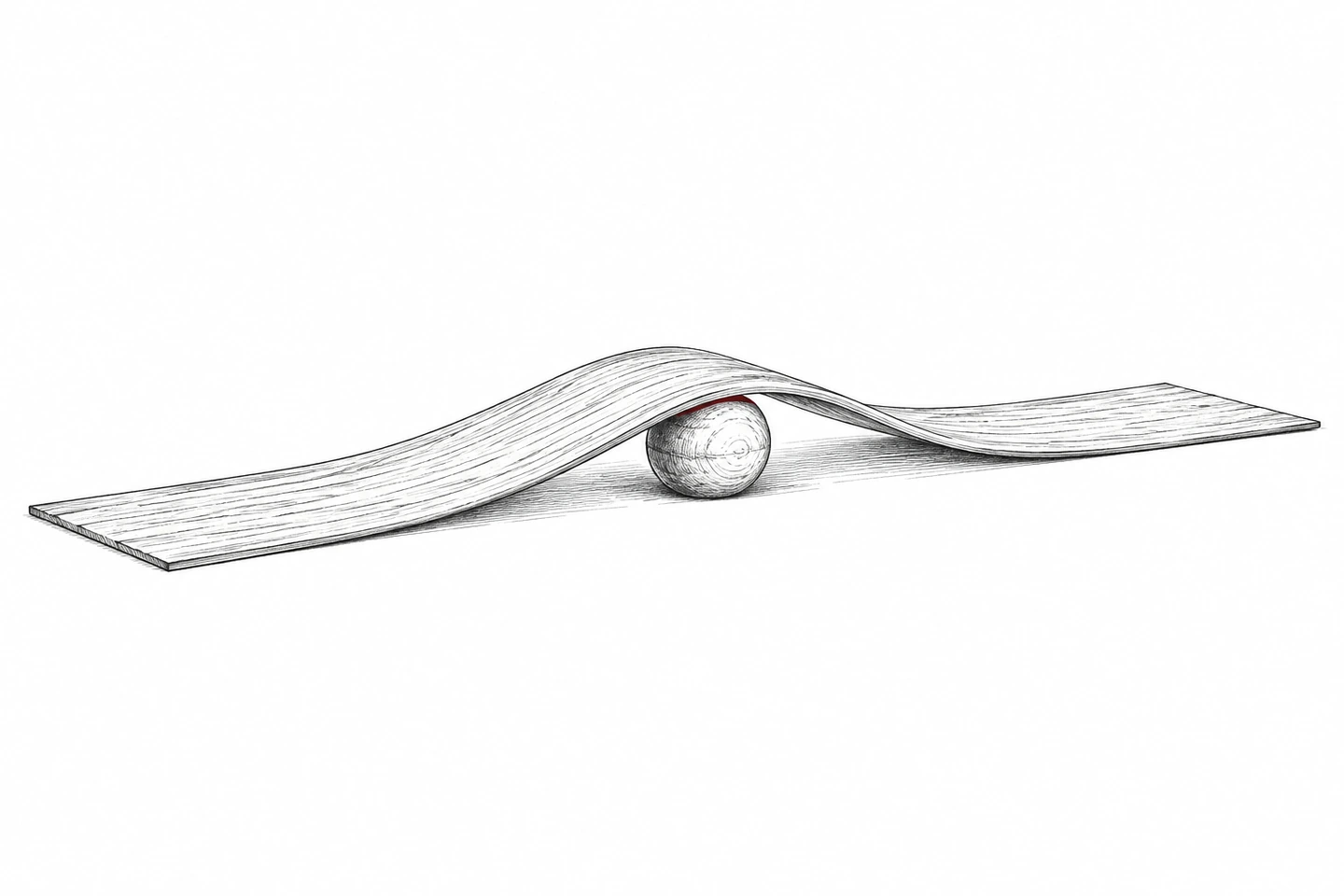
Touch is not a single experience.
The sensory experience of:
- light touch
- firm pressure
- clothing
- seams
- labels
- hair brushing
- hair cutting
- toothbrushing
- washing
- nail cutting
- unexpected physical contact
can differ greatly between people.
For some young people, sensations that appear minor to others can be intensely uncomfortable, distracting or distressing.
This can affect school participation, dressing, personal care, relationships and family routines.
The young person may know that the experience is safe while still finding the sensory experience itself difficult to tolerate.
Adults should be especially cautious with touch because sensory comfort intersects with consent and bodily autonomy.
Phoenix Encyclopaedia
What this might look like
A young person might:
- refuse particular fabrics
- remove labels from clothing
- avoid seams, socks or certain footwear
- prefer a small range of familiar clothes
- become distressed when clothing changes with season or uniform requirements
- dislike unexpected touch
- pull away when people brush against them
- struggle with hair brushing or cutting
- find toothbrushing difficult
- become distressed during nail cutting
- avoid messy play or particular textures
- tolerate firm pressure better than light touch
- become distracted by a small irritation in clothing
- struggle in crowded spaces where accidental contact is frequent
- need substantial preparation for grooming or personal-care routines.
Phoenix Encyclopaedia
Developmental expression
At this stage
Early childhood
Adults undertake much dressing and grooming, so sensory difficulty may appear through distress during routine care, clothing or messy play.
Early childhood
Adults undertake much dressing and grooming, so sensory difficulty may appear through distress during routine care, clothing or messy play.
Middle childhood
School uniform, PE changing, craft activities and expectations for greater independence may make tactile differences more consequential.
Early adolescence
Puberty introduces changes in clothing, hygiene, hair, body care and social expectations. Privacy and bodily autonomy become particularly important.
Later adolescence
Young people increasingly make their own choices about clothing, appearance and personal care, while workplaces or institutions may impose dress or grooming requirements.
Choose each stage to see how the presentation and surrounding expectations may change over time.
Phoenix Encyclopaedia
Strengths and differences
Strong tactile awareness may coexist with:
- detailed perception of textures
- clear preferences
- strong awareness of comfort
- sensitivity to materials
- careful selection of clothing or objects.
Phoenix should not assume that tolerating uncomfortable clothing, grooming or unwanted touch is a developmental achievement.
Where adaptation is possible, changing the environment may be entirely preferable to training the young person to endure unnecessary discomfort.
Phoenix Encyclopaedia
Top tips for support
- Believe reports of discomfort.
- Identify the specific sensory properties that matter.
- Remove unnecessary labels, seams or irritating materials.
- Allow comfortable alternatives to uniform where possible.
- Give warning before touch.
- Ask permission.
- Increase the young person's control over grooming.
- Break difficult routines into manageable stages.
- Experiment collaboratively with tools, products or methods.
- Do not use restraint or forced exposure for ordinary grooming compliance.
- Respect a young person's right not to be touched unnecessarily.
Phoenix Encyclopaedia
Things needing careful planning
This is another entry that needs our cultural/context test.
Clothing, grooming and expectations around physical contact differ substantially between families, communities, religions and cultures.
Phoenix therefore cannot define one grooming routine, clothing style or level of physical contact as normal.
The functional question is:
Can the young person access the personal-care, clothing and physical-contact situations that matter in their life without disproportionate distress or loss of agency?
E080 also intersects strongly with consent.
An intervention that produces greater tolerance of unwanted touch may appear successful behaviourally while actually weakening the young person's ability to protect bodily boundaries.
That would directly violate our principle:
Phoenix doesn't reject intervention; it subjects intervention itself to formulation.
Phoenix Encyclopaedia
Practical support principles
Useful support may include:
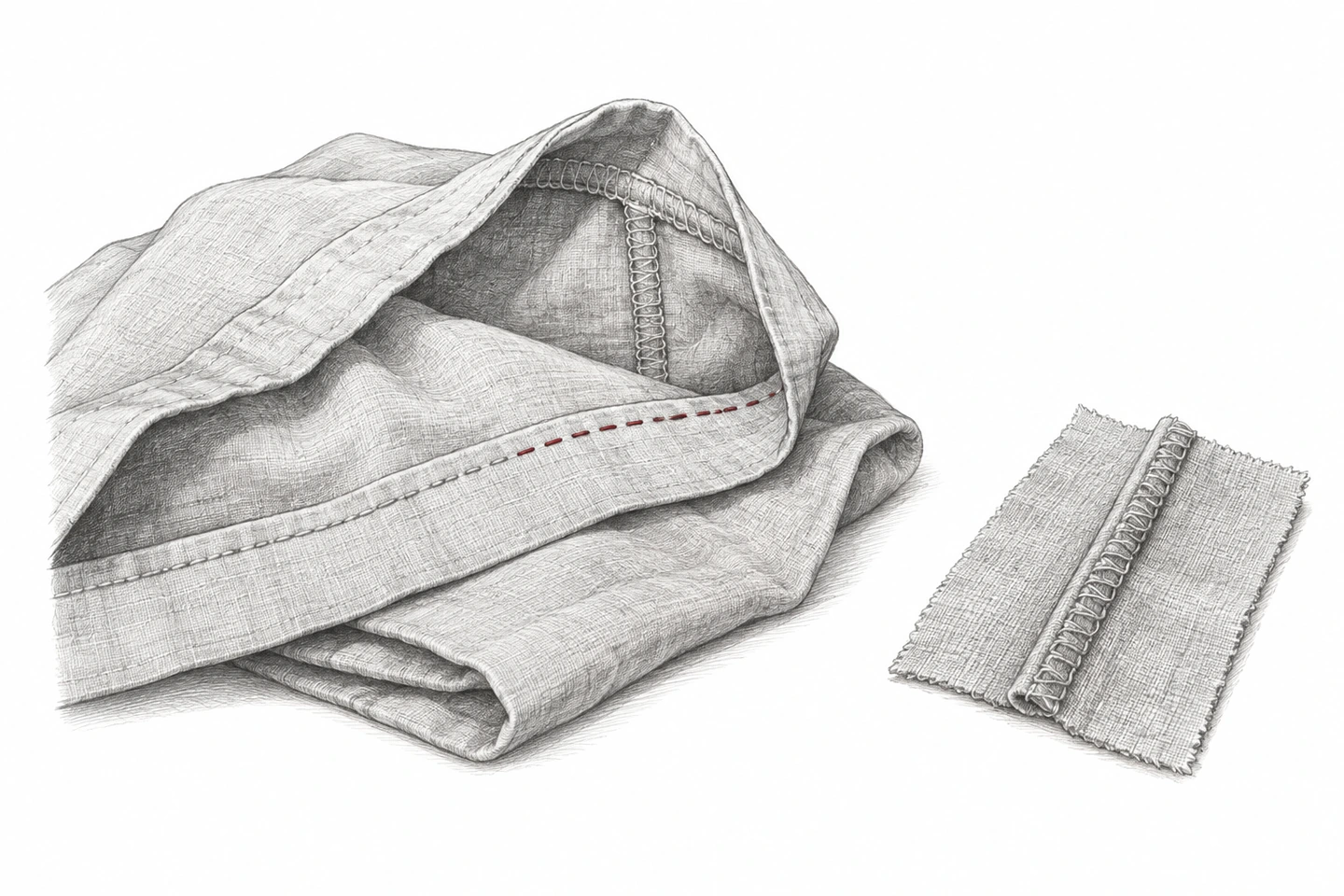
- clothing adaptations
- environmental alternatives
- different grooming tools or products
- advance warning
- visual sequencing
- increased predictability and control
- slower pacing
- occupational-therapy assessment
- sensory-informed personal-care planning
- teaching and respecting consent
- alternative participation where particular textures are not essential.
From understanding to support
Phoenix Atlas connections
Often useful
- sensory/environmental adaptation
- occupational-therapy-informed practice
- personal-care adaptation
- anticipatory supports
- consent- and autonomy-based practice
Worth considering
- individualised graded exploration where the young person wants greater access
- alternative equipment or materials
- specialist dental or health support for personal-care difficulties.
Phoenix Encyclopaedia
Evidence and cautions
Sensory-processing research supports meaningful relationships between sensory experiences and participation in areas including self-care, education, leisure and social life, but precise sensory mechanisms and subtypes remain less securely established. (1)
Tactile over-responsivity is represented within the sensory literature, but sensory-reactivity measures remain heterogeneous and often rely heavily on proxy report. (2)
Evidence for generic sensory-based treatments has historically been mixed, and intervention should therefore be linked to meaningful functional outcomes rather than assumed to correct a sensory deficit. (3)
Phoenix Encyclopaedia
Public evidence sources
- Sensory processing and school participation — systematic review.
- Assessment of sensory reactivity in children and young people — systematic review.
- Sensory interventions for children and young people, 2015 to 2024 — systematic review.
Phoenix Encyclopaedia
Possible explanatory lenses
Relevant possibilities include:
- tactile sensory reactivity
- pain
- anxiety
- predictability and control
- motor difficulty
- personal-care demands
- previous distressing experiences
- skin or physical-health conditions
- bodily autonomy and consent
- environmental expectations.
About this entry’s source
Open Beta · read the evidence notes and limitations
Source status describes the underlying material. The current site edition is Open Beta; the evidence notes and limitations remain part of the entry.