
E042 · Anxiety, uncertainty & threat
Repetitive thinking about worries or past events
What might help when a young person becomes caught in the same worry, event, conversation, mistake or possibility repeatedly without reaching a useful resolution?
Phoenix Encyclopaedia
Overview
Thinking repeatedly about something important is not inherently problematic. Reflection can help young people understand experiences, solve problems and learn.
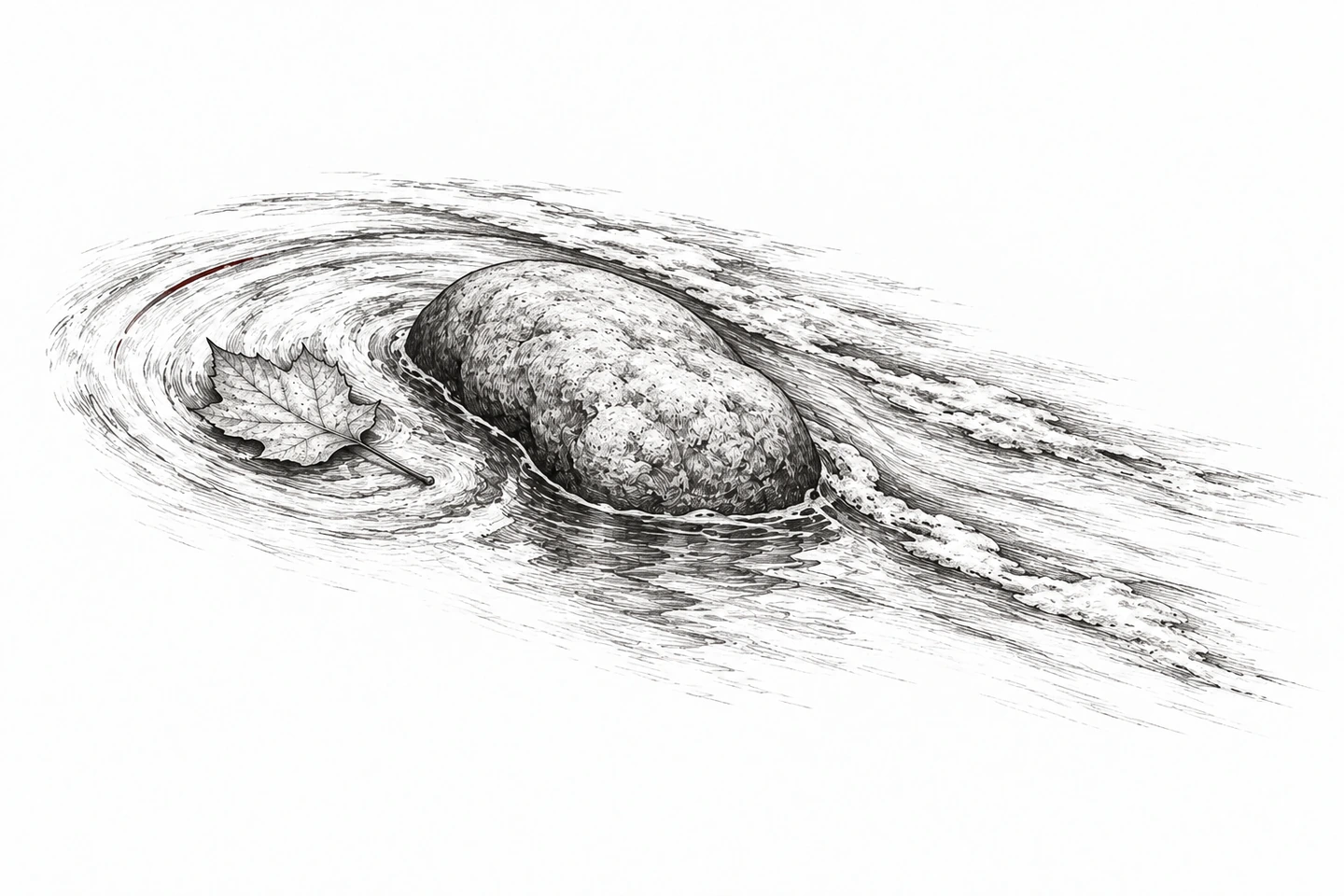
Difficulty arises when thinking becomes repetitive without becoming productive.
A young person may repeatedly revisit something that has already happened, anticipate what could happen next, mentally replay conversations, analyse mistakes or become stuck trying to reach certainty about a question that cannot be fully resolved.
The important distinction is not simply how much someone thinks. It is whether the thinking is helping them understand, decide or act, or whether it repeatedly returns them to the same distress.
Phoenix Encyclopaedia
What this might look like
A young person might:
- repeatedly replay something that happened
- keep returning to a mistake or embarrassing moment
- ask themselves the same unanswered questions
- revisit conversations and analyse what people meant
- repeatedly imagine possible negative outcomes
- struggle to move attention away from a worry
- raise the same concern after it appeared to have been resolved
- lie awake thinking about events from the day
- become distracted in lessons by internal thinking
- find it difficult to enjoy an activity because their mind remains elsewhere
- repeatedly blame themselves for past events
- say that their brain will not switch off.
Phoenix Encyclopaedia
Developmental expression
At this stage
Early childhood
Repetitive concerns may be expressed through repeated questions, play themes, requests to revisit an event or returning to the same topic with trusted adults.
Early childhood
Repetitive concerns may be expressed through repeated questions, play themes, requests to revisit an event or returning to the same topic with trusted adults.
Middle childhood
Greater awareness of rules, friendships and performance can create more material for repetitive thinking. Mistakes, peer interactions and anticipated events may become particular focuses.
Early adolescence
Increased self-reflection and social awareness can make conversations, identity, appearance, belonging and perceived mistakes prominent areas for repeated thinking.
Later adolescence
Thinking may become increasingly abstract and future-focused, including education, relationships, identity, independence and life decisions.
Choose each stage to see how the presentation and surrounding expectations may change over time.
Phoenix Encyclopaedia
Strengths and differences
Young people who think deeply and repeatedly may also be:
- reflective
- conscientious
- analytical
- highly aware of social detail
- concerned with doing things well
- capable of sustained intellectual exploration.
The aim is not to stop deep thinking.
It is to help distinguish reflection that develops understanding from thinking that keeps the young person trapped in distress.
Phoenix Encyclopaedia
Top tips for support
- Avoid simply telling a young person to “stop thinking about it.”
- Help distinguish problems that can be acted on from questions that cannot currently be resolved.
- Externalise thoughts through writing, drawing, talking or visual mapping where useful.
- Agree times to return to genuine unresolved concerns rather than repeatedly discussing them throughout the day.
- Support attention back towards the present activity without criticising the young person for becoming caught in thought.
- Help the young person notice when thinking has stopped producing new information.
- Consider whether reassurance from adults is becoming part of the repetitive cycle.
- Preserve space for legitimate reflection.
Phoenix Encyclopaedia
Things needing careful planning
The content of repetitive thinking matters.
Persistent thinking involving hopelessness, self-harm, suicide, traumatic experiences, severe guilt, threats to safety or other significant mental-health concerns requires appropriate safeguarding or specialist assessment.
Repeated thoughts may also occur within several different psychological and neurodevelopmental contexts. Their presence alone should not be used to infer a particular diagnosis.
Phoenix Encyclopaedia
Practical support principles
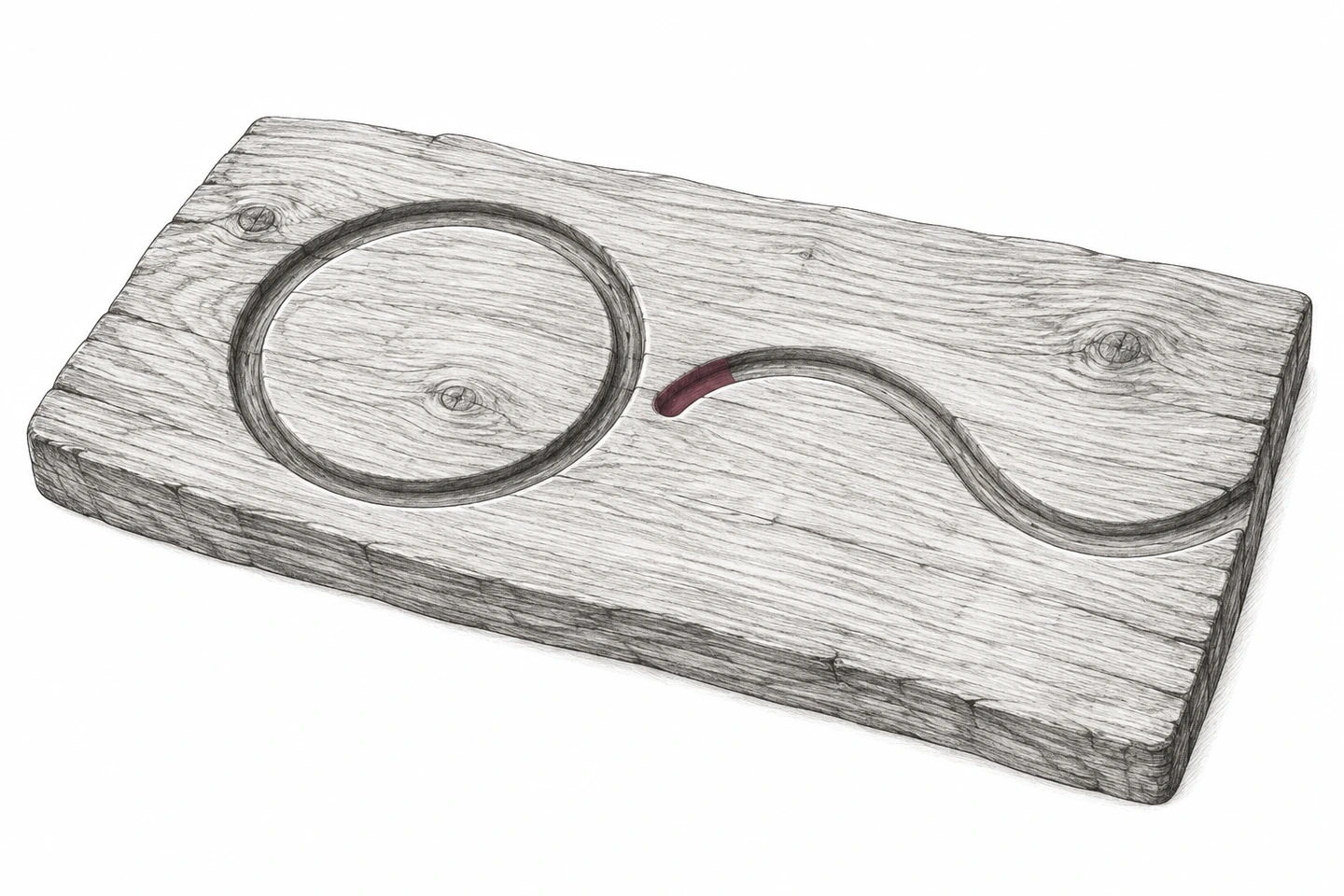
Support may involve helping the young person:
- identify recurring thinking patterns
- recognise triggers
- separate facts, possibilities and unanswered questions
- identify whether action is possible
- tolerate leaving some questions unresolved
- shift attention intentionally
- use grounding or present-focused activity
- reduce environmental uncertainty where this is unnecessarily high
- develop self-compassion following mistakes
- access therapeutic support where repetitive thinking causes significant distress.
From understanding to support
Phoenix Atlas connections
Often useful
- emotional literacy approaches
- metacognitive strategies
- anxiety-informed practice
- collaborative problem solving
- grounding and attention-regulation approaches
Worth considering
- CBT-informed approaches
- mindfulness-based approaches
- self-compassion approaches
- therapeutic intervention where repetitive thinking is persistent or significantly impairing.
Phoenix Encyclopaedia
Evidence and cautions
Research commonly distinguishes worry, which tends to focus on anticipated future threats, from rumination, which often involves repeated thinking about past or current distress. Both sit within the broader family of repetitive negative thinking.
A recent systematic review and meta-analysis involving young people supports the value of worry and rumination as transdiagnostic processes rather than phenomena belonging to one diagnosis alone. (1)
Longitudinal research also links adolescent rumination with internalising difficulties, although developmental and contextual influences remain important. (2)
Phoenix Encyclopaedia
Public evidence sources
- Worry and rumination in children and adolescents: systematic review and meta-analysis — systematic review and meta-analysis.
- Rumination and internalising symptoms in adolescence — longitudinal study.
Phoenix Encyclopaedia
Possible explanatory lenses
Relevant possibilities include:
- anxiety
- low mood
- perfectionism
- intolerance of uncertainty
- social anxiety
- shame
- trauma
- obsessive-compulsive processes
- executive functioning and attentional shifting
- difficulty resolving interpersonal experiences
- high self-monitoring.
About this entry’s source
Open Beta · read the evidence notes and limitations
Source status describes the underlying material. The current site edition is Open Beta; the evidence notes and limitations remain part of the entry.
Phoenix Atlas · Open Beta
Explore connected approaches
These Atlas entries link to this topic for a specific reading purpose. Follow the connection and its limits in the entry; it is not an automatic intervention recommendation.
validation is being completed by subject matter experts