
E038 · Emotional experience & regulation
Difficulty recovering after intense distress
Why might a young person appear calmer after a difficult event but still be unable to return quickly to their usual level of functioning?
Phoenix Encyclopaedia
Overview
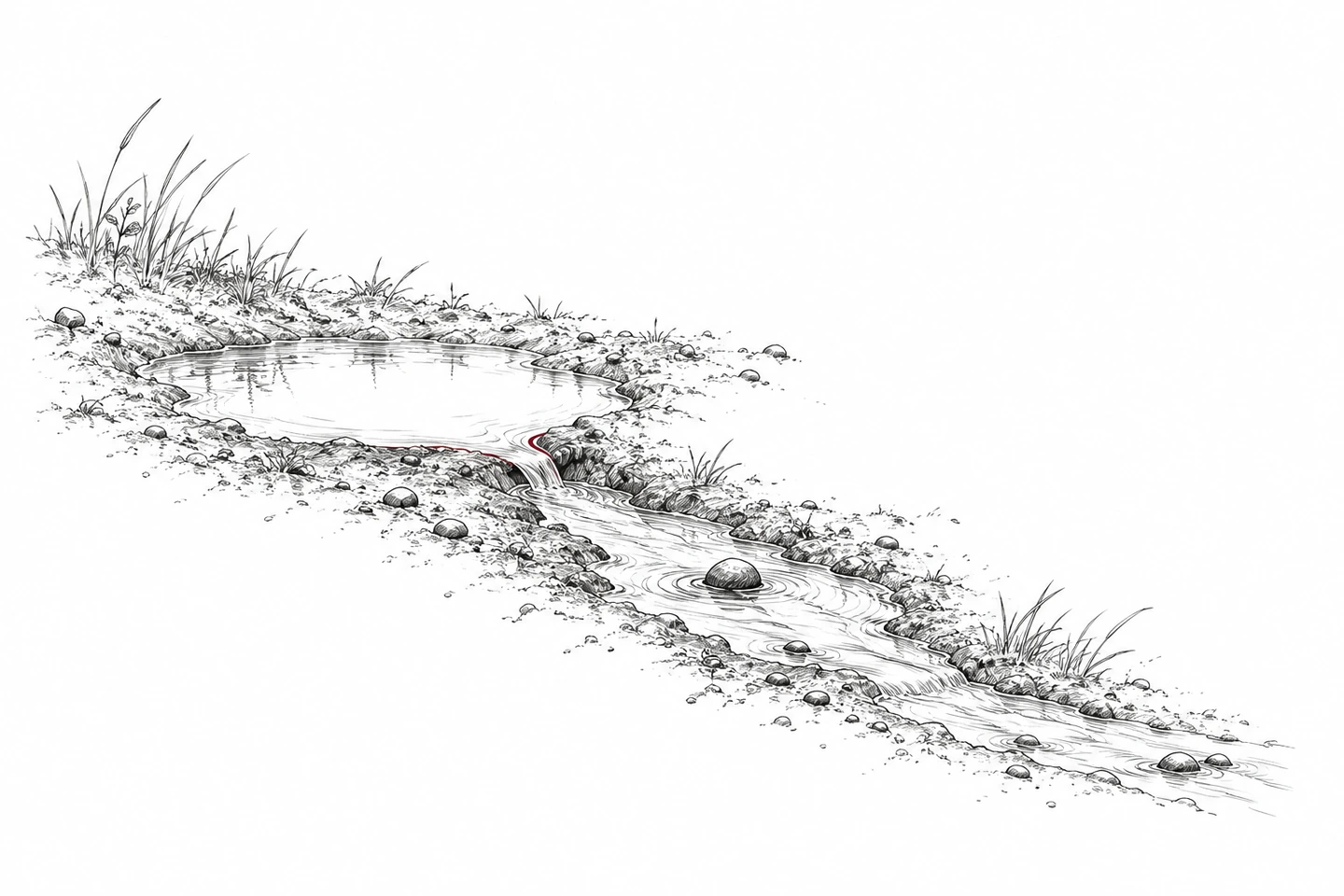
The end of visible distress does not necessarily mean that recovery is complete.
After an intensely demanding or distressing experience, a young person may need time before language, concentration, tolerance of demand, social engagement and flexible thinking return to their usual levels.
Some young people recover relatively quickly. Others may remain physically tired, emotionally sensitive, quiet, irritable, cognitively slowed or more easily overwhelmed for hours — and sometimes for the remainder of the day.
Expecting an immediate return to ordinary demands can inadvertently create a second cycle of difficulty.
Recovery should therefore be understood as an important part of regulation rather than as empty time between an incident and a return to learning.
Phoenix Encyclopaedia
What this might look like
After intense distress, a young person might:
- become very tired or sleepy
- seek quiet, solitude or reduced interaction
- speak less than usual
- find ordinary questions difficult
- have reduced concentration
- struggle with tasks they would normally manage
- become more sensitive to noise, touch or social interaction
- appear emotionally fragile or easily frustrated
- complain of headaches, nausea or other physical discomfort
- want to return to familiar or repetitive activities
- appear calm but become overwhelmed again very quickly
- struggle to remember or describe what happened.
Phoenix Encyclopaedia
Developmental expression
At this stage
Early childhood
Recovery may involve seeking familiar adults, sleep, repetitive play, reduced activity or a prolonged need for physical and emotional co-regulation.
Early childhood
Recovery may involve seeking familiar adults, sleep, repetitive play, reduced activity or a prolonged need for physical and emotional co-regulation.
Middle childhood
Adults may expect a child who looks outwardly settled to rejoin lessons immediately. Reduced concentration or renewed irritability can then be misunderstood as further poor behaviour rather than incomplete recovery.
Early adolescence
A young person may increasingly want privacy after distress and may experience embarrassment about what happened. Pressing for discussion too quickly can add social and emotional demand.
Later adolescence
Young people may have a clearer understanding of what they need after difficult experiences but can encounter institutional expectations that recovery should occur according to a timetable rather than individual need.
Choose each stage to see how the presentation and surrounding expectations may change over time.
Phoenix Encyclopaedia
Strengths and differences
Some young people develop strong insight into the conditions that help them recover. Their preference for quiet, movement, music, familiar interests, reduced communication or temporary solitude can represent effective self-regulation rather than avoidance.
Learning to recognise and communicate “I am no longer in crisis, but I am not ready yet” can be an important form of self-advocacy.
Phoenix Encyclopaedia
Top tips for support
- Do not equate quiet with fully recovered.
- Reduce cognitive and social demands temporarily.
- Make returning to activity gradual where possible.
- Avoid immediate post-incident interrogation.
- Offer familiar regulation activities.
- Allow food, drink, movement, rest or sensory support where helpful.
- Agree beforehand how the young person can signal that they need more recovery time.
- Review difficult events only when the young person has sufficient capacity to participate meaningfully.
Phoenix Encyclopaedia
Things needing careful planning
Repeated episodes followed by prolonged exhaustion should prompt curiosity about the overall demands being placed on the young person, not simply better recovery procedures.
A marked change in recovery, unusually prolonged lethargy, physical symptoms or other health concerns may warrant medical consideration.
Phoenix Encyclopaedia
Practical support principles
Develop a simple individual recovery plan that identifies:
- signs that the young person is beginning to settle
- signs that they remain vulnerable to renewed overwhelm
- preferred spaces and activities
- communication expectations
- how learning will be reintroduced
- when reflective discussion is most useful
- how missed work will be handled without creating another overload
- who decides that the young person is ready to return — ideally including the young person themselves.
From understanding to support
Phoenix Atlas connections
Often useful
- co-regulation and relational practice
- low-arousal approaches
- sensory/environmental adaptation
- regulation planning
Worth considering
- structured return-to-learning plans
- emotion-regulation approaches
- self-monitoring and communication tools
E038 should eventually connect particularly strongly to Atlas approaches concerning recovery and repair, rather than only crisis reduction.
Phoenix Encyclopaedia
Evidence and cautions
Emotion regulation involves processes unfolding over time, including emotional reactivity and subsequent regulatory responses. Research remains heterogeneous, and there is no simple universal timetable for what “normal” recovery should look like in an individual young person. (1)
The practical implication is important: support should be responsive to observable functioning rather than based on an assumption that the disappearance of visible distress means regulatory capacity has fully returned.
Phoenix Encyclopaedia
Public evidence sources
- Measurement of emotion regulation in children and adolescents: systematic review — systematic review.
Phoenix Encyclopaedia
Possible explanatory lenses
Relevant possibilities can include:
- intensity and duration of emotional arousal
- sensory load
- anxiety
- fatigue and sleep
- communication effort
- executive-function demands
- cumulative stress
- trauma or threat responses
- physical wellbeing
- effort associated with maintaining composure during the day.
About this entry’s source
Open Beta · read the evidence notes and limitations
Source status describes the underlying material. The current site edition is Open Beta; the evidence notes and limitations remain part of the entry.
Phoenix Atlas · Open Beta
Explore connected approaches
These Atlas entries link to this topic for a specific reading purpose. Follow the connection and its limits in the entry; it is not an automatic intervention recommendation.
validation is being completed by subject matter experts