
E010 · Thinking, attention & executive function
Impulsivity
What happened between the impulse appearing and the young person having enough time, support or capacity to choose what happened next?
Phoenix Encyclopaedia
Overview
Impulsivity describes acting quickly with limited opportunity to pause, evaluate consequences or select between possible responses.
It may involve:
- speech;
- movement;
- decision-making;
- emotional responses;
- risk-taking;
- turn-taking;
- interruption;
- seeking immediate reward.
Impulsivity is a presentation, not shorthand for ADHD.
All young people act impulsively sometimes, and the capacity to pause develops over time.
For some young people, however, the gap between impulse and action is particularly short or unreliable.
This can create significant difficulty in environments that expect prolonged inhibition, waiting and self-monitoring.
Impulsivity is also strongly affected by context.
Fatigue, excitement, anxiety, sensory load, emotional dysregulation and unclear expectations can all reduce inhibitory capacity.

Phoenix Encyclopaedia
What this might look like
A young person might:
- call out;
- interrupt;
- answer before a question is finished;
- grab something;
- leave their seat;
- act on an idea immediately;
- make rapid decisions they later regret;
- enter situations without assessing risk;
- speak before considering how words may be received;
- struggle to wait;
- move rapidly between activities;
- become involved in peer conflict quickly;
- appear to know a rule but fail to apply it in the moment;
- apologise sincerely and repeat the same behaviour later;
- act very differently when an adult provides immediate structure.
The presence of regret afterwards is important information.
It may show that the difficulty lies less in knowing what should happen and more in accessing that knowledge quickly enough.
Don’t assume
Do not assume that:
- the young person did not know the rule;
- repeated behaviour proves deliberate choice;
- stronger consequences create a longer pause;
- impulsivity means lack of empathy;
- every impulsive act reflects ADHD;
- the young person needs to “think before acting” without being taught how to create that pause;
- punishment after the event changes the cognitive process that happened before it.
Phoenix Encyclopaedia
Developmental expression
At this stage
Early childhood
Impulse control is naturally developing.
Differences may appear through frequent grabbing, running, interrupting, physical responding or difficulty waiting.
Early childhood
Impulse control is naturally developing.
Differences may appear through frequent grabbing, running, interrupting, physical responding or difficulty waiting.
Middle childhood
Increasing expectations for classroom inhibition can make difficulties more visible.
A young person may know expectations well but apply them inconsistently.
Early adolescence
Growing independence, peer influence, emotional intensity and increased opportunities for risk can increase the consequences of impulsive decisions.
Later adolescence
Impulsivity may affect relationships, spending, driving, work, online behaviour, substances or other areas of increased independence.
Support therefore needs to evolve from adult control towards self-recognised and self-selected external scaffolds.
Choose each stage to see how the presentation and surrounding expectations may change over time.
Phoenix Encyclopaedia
Strengths and differences
Young people who act quickly may also demonstrate:
- spontaneity;
- courage;
- creativity;
- rapid problem-solving;
- enthusiasm;
- humour;
- willingness to act;
- strong responsiveness in dynamic situations;
- energy;
- flexibility;
- readiness to seize opportunities.
The goal is not to remove spontaneity.
It is to help the young person gain greater choice over when immediate action is useful and when a pause matters.
Phoenix Encyclopaedia
Top tips
- Create the pause externally before expecting it internally.
- Keep prompts brief.
- Reduce unnecessary waiting.
- Make expectations visible.
- Practise pause strategies when calm.
- Notice high-risk contexts.
- Support regulation.
- Give opportunities for movement.
- Use immediate, usable feedback.
- Avoid turning every impulsive act into a moral judgement.
Try asking
“What could we put between the impulse and the action?”
Phoenix Encyclopaedia
Things needing careful planning
Consider:
- playgrounds;
- corridors;
- practical subjects;
- group work;
- transitions;
- online access;
- road safety;
- conflict;
- trips;
- high-excitement activities;
- unstructured social time;
- increasing independence.
Phoenix Encyclopaedia
Practical support principles
A useful sequence is:
Anticipate → externalise the pause → reduce load → prompt → practise → reflect
Helpful approaches include:
- visual stop/pause cues;
- pre-correction;
- brief reminders;
- structured choices;
- movement opportunities;
- reduced waiting;
- environmental organisation;
- rehearsal;
- collaborative problem-solving;
- emotion regulation;
- executive-function scaffolds;
- immediate feedback;
- safe alternatives for high-energy responding.
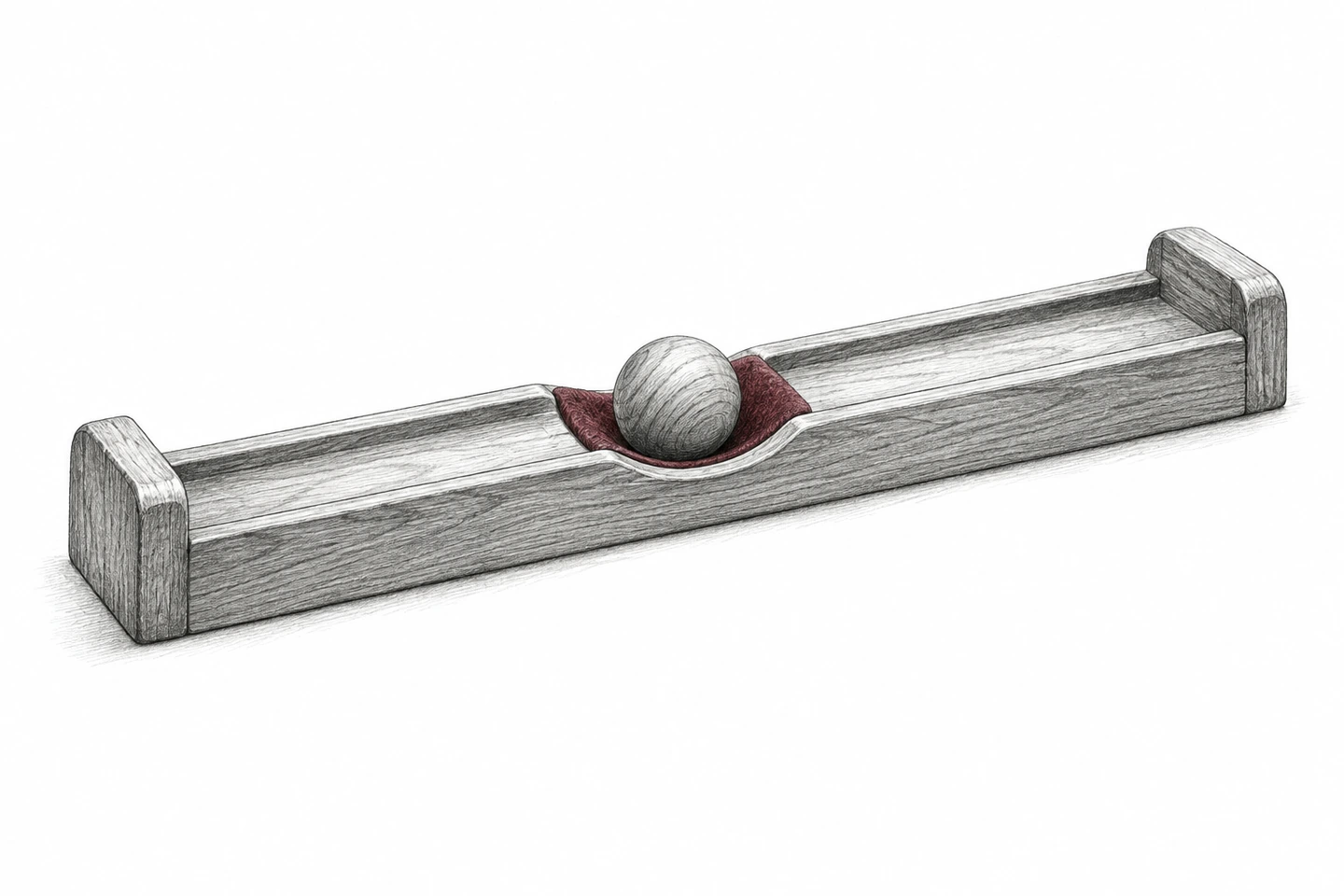
External supports can function as a temporary borrowed pause.
Over time, the aim is for the young person to recognise when they need these supports and increasingly select them independently.
From understanding to support
Phoenix Atlas connections
Core
- Executive-function scaffolding
- Environmental adaptation
Often useful
- Structured choice
- Co-regulation
- Collaborative problem-solving
- Positive Behaviour Support, where used formulation-first rather than as a compliance system
Phoenix Encyclopaedia
Evidence and cautions
Response inhibition develops across childhood and adolescence and varies with task demands and context. Reviews do not support treating inhibition as a single, fixed capacity inferred from obedience in one setting. (1; 2)
External consequences may change visible behaviour in some contexts, but that change should not be treated as evidence that independent inhibition has developed or transferred. Reviews of executive-function interventions find variable and often limited transfer, while discipline research does not establish sanctions as a route to stronger executive capacity. (3; 4)
Phoenix therefore distinguishes inhibition from obedience. Support should be evaluated by whether it helps the young person notice impulses, pause, consider options, anticipate consequences, recover from mistakes and choose supports.
Phoenix Encyclopaedia
Public evidence sources
- 1. Response inhibition development in childhood — systematic review.
- 2. Response inhibition in adolescence — review.
- 3. Executive-function interventions in children and adolescents — systematic review and meta-analysis.
- 4. Disciplinary behaviour-management strategies and child outcomes — systematic review.
Phoenix Encyclopaedia
Possible explanatory lenses
Impulsivity may occur alongside ADHD, executive-function differences, emotional dysregulation, developmental differences, anxiety, trauma, sensory seeking, sleep difficulties or environmental mismatch.
The useful formulation question remains:
What makes the pause unavailable here?
About this entry’s source
Open Beta · read the evidence notes and limitations
Source status describes the underlying material. The current site edition is Open Beta; the evidence notes and limitations remain part of the entry.