
E024 · Participation, relationships & agency
Masking and post-demand exhaustion
What effort may be hidden behind apparently successful participation — and what happens when the young person reaches safety with little capacity left?
Phoenix Encyclopaedia
Overview
Some young people consciously or unconsciously alter, suppress or rehearse aspects of themselves to meet expectations, avoid attention, gain acceptance or stay safe. They may copy peers, force eye contact, suppress movement, hide confusion, script conversation, tolerate sensory pain, agree automatically or delay distress until they leave the demanding setting.
“Masking” and “camouflaging” are most developed as research concepts in autism, but similar concealment can occur around ADHD, language, learning, mental health, pain, sexuality, gender, culture and other differences. The language should illuminate a pattern, not be used as proof of a diagnosis.
“Post-demand exhaustion” is a Phoenix descriptive term for the depletion, reduced functioning or distress that may follow sustained adaptation and demand. It is not a recognised diagnosis and should not be assumed to have one cause.
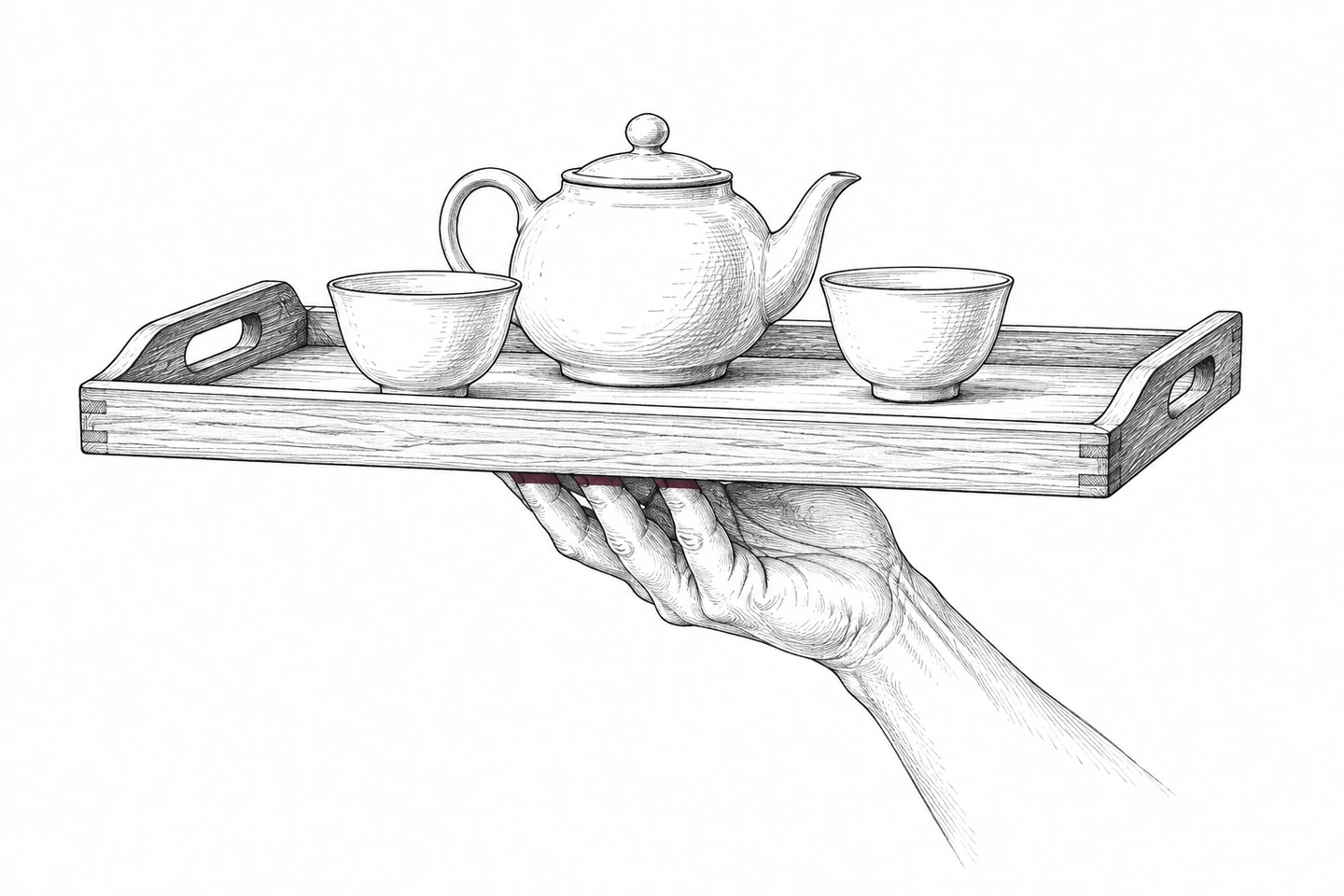
An apparently calm, capable day can therefore coexist with collapse, shutdown, irritability, loss of speech, sleep or reduced self-care afterwards. Assessment must include the cost of participation, not only the performance visible to the setting.
Phoenix Encyclopaedia
What this might look like
A young person might:
- watch and copy peers before acting;
- rehearse phrases, facial expressions or expected answers;
- force eye contact or stillness despite discomfort;
- suppress movement, questions, pain or sensory responses;
- smile, laugh or agree while confused or distressed;
- avoid asking for help in order not to appear different;
- perform highly in structured settings and lose skills afterwards;
- have few recorded incidents at school but intense distress at home;
- sleep for long periods after attendance;
- lose speech, appetite, self-care or tolerance for interaction after demand;
- become unable to complete homework despite apparently managing lessons;
- hold a role as the helpful, quiet or high-achieving young person;
- mirror different identities across groups and feel unsure which self is real;
- be surprised by overload because early signals were repeatedly suppressed;
- experience support as threatening because it may expose the hidden difficulty.
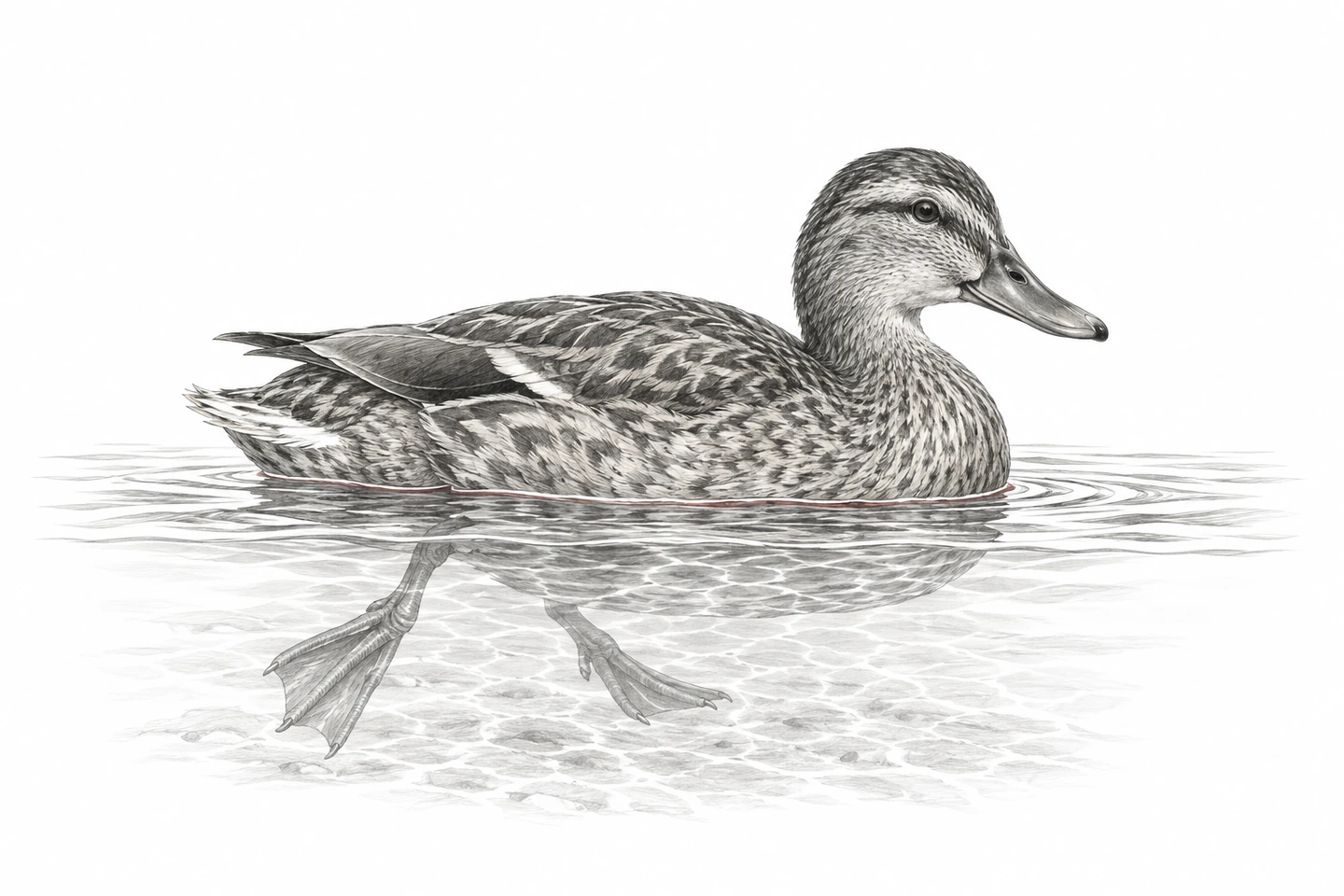
Adaptation can be skilled and sometimes chosen. The problem is not every deliberate social strategy; it is the loss of choice, safety, identity or sustainable capacity.
Phoenix Encyclopaedia
How this may change through development
At this stage
Early childhood
Masking may appear as intense observation, copying, unusual compliance or holding distress until a familiar caregiver arrives. Adults may see a “model pupil” while home sees the recovery cost.
Young children may not be able to describe the effort. Differences between settings are data, not proof that one adult is mistaken.
Early childhood
Masking may appear as intense observation, copying, unusual compliance or holding distress until a familiar caregiver arrives. Adults may see a “model pupil” while home sees the recovery cost.
Young children may not be able to describe the effort. Differences between settings are data, not proof that one adult is mistaken.
Middle childhood
Peer norms and adult comparison become clearer. A child may learn which movements, interests, questions or misunderstandings attract correction and begin to conceal them.
Achievement can delay support if adults equate good work with low need. Recovery time, somatic complaints and school-night sleep may reveal the cost.
Early adolescence
Identity and belonging intensify while social rules become more complex. Masking may widen across gender, sexuality, neurodevelopmental difference, mental health and family or cultural expectations.
The young person may gain short-term protection while experiencing exhaustion, anxiety, identity confusion or delayed recognition of need. Support must not demand abrupt disclosure or unsafe unmasking.
Later adolescence
College, employment, relationships and independent living require decisions about disclosure, accommodation and authenticity across different settings.
The young person may benefit from energy accounting, compatible communities, selective disclosure and practical rights knowledge. Sustainable participation becomes more important than maintaining a full performance until collapse.
Choose each stage to see how the presentation and surrounding expectations may change over time.
Phoenix Encyclopaedia
Strengths and differences
Masking and post-demand exhaustion can coexist with:
- acute observation and pattern learning;
- flexibility across contexts;
- empathy and attention to other people’s expectations;
- sophisticated rehearsal and preparation;
- strong desire for connection, contribution or safety;
- persistence under difficult conditions;
- insight into different social cultures;
- growing ability to choose when adaptation is useful and when authenticity is safer.
These capacities are real. They should not be admired in a way that rewards self-erasure or makes support dependent on visible collapse.
Phoenix Encyclopaedia
Top tips for support
Ask about cost, not only success
“What did it take to get through that?” and “What happens afterwards?” may reveal more than whether the task was completed.
Treat cross-setting differences as compatible evidence
School and home may each see a true part of the pattern. Build the timeline across anticipation, performance, journey, recovery and the following day.
Make support available without performance
Offer written information, reduced sensory load, movement, breaks, clarification and alternative response modes routinely enough that the young person need not disclose at the point of depletion.
Legitimate natural regulation
Do not require eye contact, stillness, a particular facial expression or suppression of harmless movement. Explain genuine safety and communication boundaries specifically.
Protect recovery
Reduce homework or non-essential demand after highly effortful participation. Plan quiet, food, sleep, movement or solitude according to the young person’s preferences.
Support selective, safe authenticity
Unmasking is not an all-or-nothing assignment. Help the young person decide what to share, with whom, for what purpose and with what protection.
Notice the quiet young person
Screen support needs through accessible private conversation and observation, not only referrals triggered by disruption.
Phoenix Encyclopaedia
Things needing careful planning
Map the full energy cycle.
Consider:
- demands before, during and after the setting;
- social monitoring, scripting and suppression;
- sensory, language, executive and performance load;
- travel, transitions and unpredictable change;
- food, fluids, sleep, pain and medication;
- safe people and contexts where the young person functions differently;
- delayed distress, loss of skills and recovery time;
- identity, belonging, bullying and discrimination;
- what the young person wants to keep private;
- which adaptations feel supportive and which feel exposing;
- signs of depression, self-harm, eating difficulty or physical deterioration;
- a sustainable balance between participation, challenge and recovery.
Avoid making the family prove distress by recording its most painful moments indefinitely. Gather enough information to act, agree a review measure and respect privacy.
Phoenix Encyclopaedia
Practical support principles
Use an energy-and-authenticity plan.
1. Reveal cost — assess anticipation, performance and recovery across settings. 2. Remove needless performance — stop rewarding appearance over access. 3. Reduce load — adapt sensory, social, language and executive demands. 4. Restore choice — make breaks, communication and disclosure controllable. 5. Protect recovery — budget time and reduce after-demand burden. 6. Review sustainability — ask whether participation can continue without cumulative loss of health, identity or function.
Progress is not a more convincing mask. It is earlier communication, safer regulation, lower recovery cost, more chosen participation and a stronger sense that support does not require self-erasure.
From understanding to support
Relevant Phoenix Atlas approaches
| Approach | Fit | Why |
|---|---|---|
| A001 Low-arousal approachesAtlas record available | Often useful | Reduces interpersonal pressure and the need to perform calmness while already overloaded. |
| A003 Co-regulationAtlas record available | Often useful | Provides a relationship in which uncertainty, difference and recovery can be visible without loss of belonging. |
| A005 Environmental adaptationAtlas record available | High-priority match | Reduces the sensory and social conditions that make sustained concealment necessary; scheduled for Bramley Batch 03. |
| A006 Visual and anticipatory supportsAtlas record available | Often useful | Lowers rehearsal and uncertainty costs by making expectations and change more explicit. |
| A016 Executive-function scaffoldingAtlas record available | Worth considering | Externalises planning and sequencing so that limited post-demand capacity is not spent holding everything internally. |
Phoenix Encyclopaedia
Evidence and cautions
A 2021 systematic review of 29 quantitative camouflaging studies found wide variation in measurement and samples. Higher self-reported camouflaging was often associated with worse mental-health outcomes, but participant representation was limited and findings could not be generalised to all autistic people.
A 2023 mixed-methods systematic review identified social norms, acceptance and rejection, self-esteem and identity as important contexts. Reported consequences included agency and short-term social protection as well as being overlooked, under-supported, exhausted and burned out. This supports a nuanced account: camouflaging can be purposeful and protective, yet costly under pressure.
A 2025 systematic review of autistic burnout synthesised an emerging evidence base grounded heavily in autistic people’s accounts. The field is developing, definitions and measures are not yet settled, and much evidence concerns adults. “Autistic burnout” or “post-demand exhaustion” should therefore not be used to exclude depression, sleep disorder, physical illness, trauma or other explanations.
The defensible educational response is functional and low-risk: believe reported effort, reduce unnecessary demand, provide ordinary adjustments, protect recovery and investigate persistent loss of function. No evidence justifies training a young person to hide harmless difference as the primary outcome.
Source notes
- Cook and colleagues (2021) — Camouflaging in autism: systematic review
- Ai and colleagues (2023) — Psychosocial factors, camouflaging and wellbeing: mixed-methods systematic review
- Systematic review of social camouflaging in autistic adults and young people
- Ali and colleagues (2025) — Burnout as experienced by autistic people: systematic review
Phoenix Encyclopaedia
Explanatory lenses
Masking and post-demand exhaustion may occur alongside autism, ADHD, language or learning needs, anxiety, depression, trauma, OCD, eating difficulties, chronic pain, sleep disorder, post-viral illness, gender dysphoria or other developmental, identity-related, physical and mental-health presentations.
They may also be shaped by racism, homophobia, transphobia, poverty, bullying, unsafe care, rigid behaviour standards, repeated invalidation or any environment in which visible difference carries a social cost.
Diagnosis can help a young person understand a long-standing pattern and access support. It should not become a new script they must perform, nor should masking language be used to explain away every discrepancy between settings.
The continuing Phoenix question is:
“What is this young person having to hide or hold together to participate here, what does that cost afterwards, and how can success become more sustainable and more genuinely theirs?”
About this entry’s source
Open Beta · read the evidence notes and limitations
Source status describes the underlying material. The current site edition is Open Beta; the evidence notes and limitations remain part of the entry.