
E058 · Participation, relationships & agency
Difficulty navigating unstructured situations
What might be happening when situations with few explicit expectations, roles or activity structures become difficult for a young person to navigate?
Phoenix Encyclopaedia
Overview
Unstructured time can be extremely valuable.
Free play, breaktimes, independent leisure and open-ended exploration provide opportunities for autonomy, creativity, rest, movement and social development. Research supports the value of recess and unstructured play rather than treating structure as inherently superior. (1)
Yet some young people find unstructured situations more demanding than structured ones.
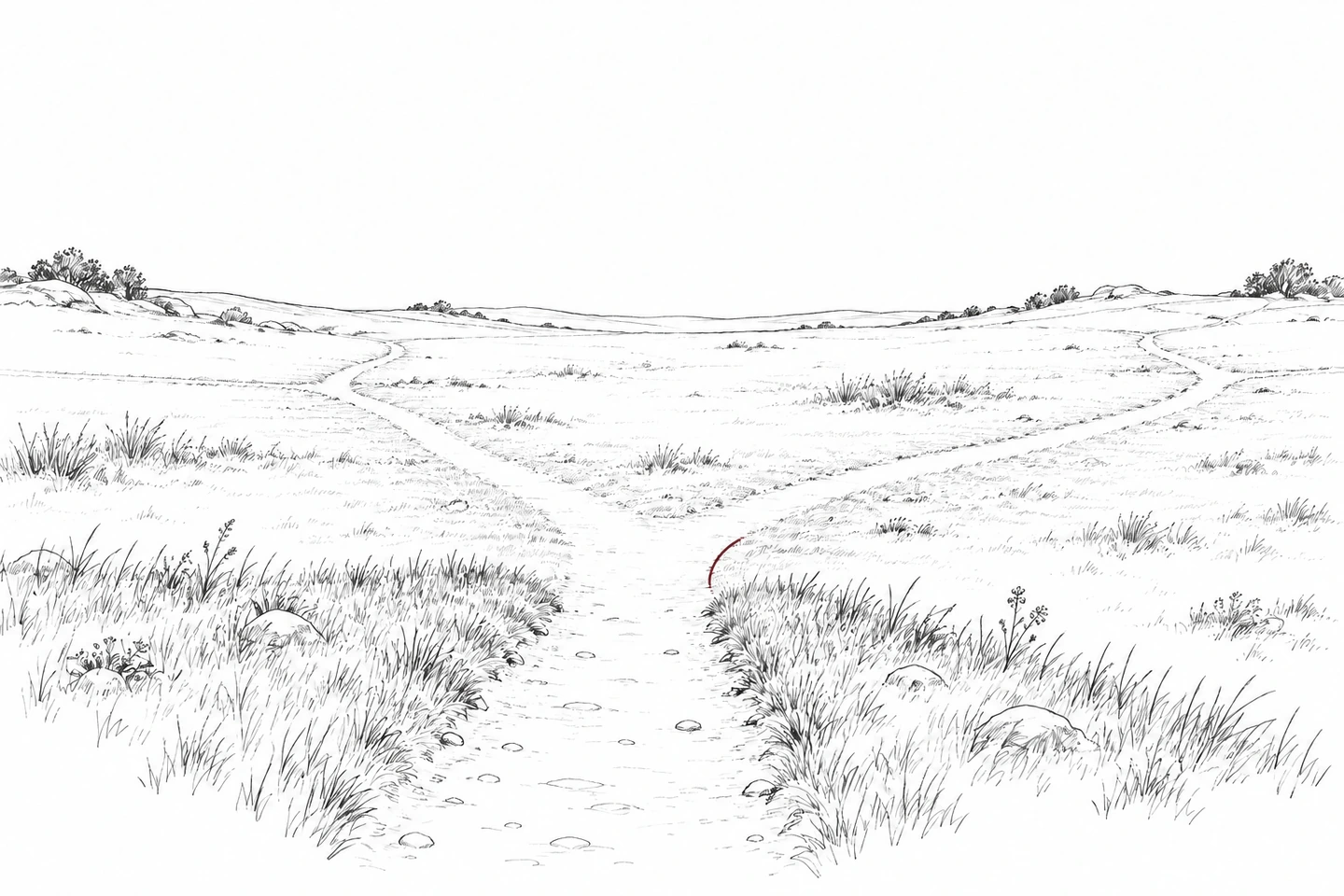
When a lesson finishes, the rules may suddenly become less explicit:
Where do I go? What can I do? Who can I join? How do I enter a game? What happens if nobody wants the same thing as me?
The difficulty can therefore sit partly in the environment rather than inside the young person.
Phoenix Encyclopaedia
What this might look like
A young person might:
- manage lessons but struggle at break or lunch
- wander without becoming involved
- remain close to adults
- become involved in conflict during free time
- repeatedly use the same activity
- withdraw during open-ended periods
- find choosing what to do difficult
- struggle to join peer activity
- become anxious when there is no clear plan
- appear dysregulated after breaks despite functioning well beforehand.
Phoenix Encyclopaedia
Developmental expression
At this stage
Early childhood
free play occupies a large part of experience, with adults often supporting access implicitly.
Early childhood
free play occupies a large part of experience, with adults often supporting access implicitly.
Middle childhood
playground cultures, friendship groups and games develop increasingly complex unwritten rules.
Early adolescence
breaktimes become socially nuanced and less overtly supervised.
Later adolescence
“free time” increasingly requires self-directed planning, social decision-making and independent activity.
Choose each stage to see how the presentation and surrounding expectations may change over time.
Phoenix Encyclopaedia
Strengths and differences
Some young people simply prefer:
- solitude
- predictable interests
- adult company
- structured clubs
- quieter spaces.
These preferences do not require correction.
The relevant question is whether the young person can access the unstructured situation in the way they want to.
Phoenix Encyclopaedia
Top tips for support
- Ask what the young person would like break/free time to be like.
- Offer options without turning free time into another lesson.
- Make quiet and solitary options legitimate.
- Support entry into activities where wanted.
- Examine playground culture and peer access.
- Provide predictable spaces.
- Avoid removing breaks as punishment.
Phoenix Encyclopaedia
Things needing careful planning
Research on school participation shows that environmental and psychosocial factors significantly shape whether young people with disabilities can participate, including during unstructured activities. (2)
Research on autistic pupils also supports looking beyond individual social skills towards peers, staff and the physical environment. (3)
Phoenix Encyclopaedia
Practical support principles
Consider:
- optional structured activities
- quiet spaces
- supported peer entry
- accessible clubs
- clear playground zones
- trusted adults
- visual choices
- genuine opportunities for solitary restoration.
From understanding to support
Phoenix Atlas connections
Often useful
- environmental adaptation
- peer/belonging approaches
- supported participation
- communication-access approaches
Phoenix Encyclopaedia
Evidence and cautions
Prototype placeholderPrototype placeholder. The current source does not yet include a separate evidence-and-cautions synthesis. Its public evidence sources are retained below for the next review pass.
Phoenix Encyclopaedia
Public evidence sources
- School recess and child outcomes: systematic review — systematic review.
- School participation of children and young people with disabilities — systematic review.
- School inclusion for autistic pupils across system levels — systematic review.
Phoenix Encyclopaedia
Possible explanatory lenses
Consider:
- uncertainty
- social communication
- peer relationships
- decision-making
- sensory load
- anxiety
- executive functioning
- preference for solitude.
About this entry’s source
Open Beta · read the evidence notes and limitations
Source status describes the underlying material. The current site edition is Open Beta; the evidence notes and limitations remain part of the entry.