
E089 · Anxiety, uncertainty & threat
Heightened alertness to possible threat
What might be happening when a young person appears continually prepared for something to go wrong, even in situations where other people seem able to relax?
Phoenix Encyclopaedia
Overview
Being alert to threat is protective.
Humans need to notice:
- danger
- changes in other people's behaviour
- threatening sounds or movements
- situations that may require rapid action.
Sometimes, however, a young person's system appears to remain particularly ready to detect possible danger.
They may monitor:
- people's faces
- tone of voice
- doors and exits
- movement nearby
- arguments
- changes in routine
- adult mood
- what peers are doing
- sounds elsewhere in the environment.
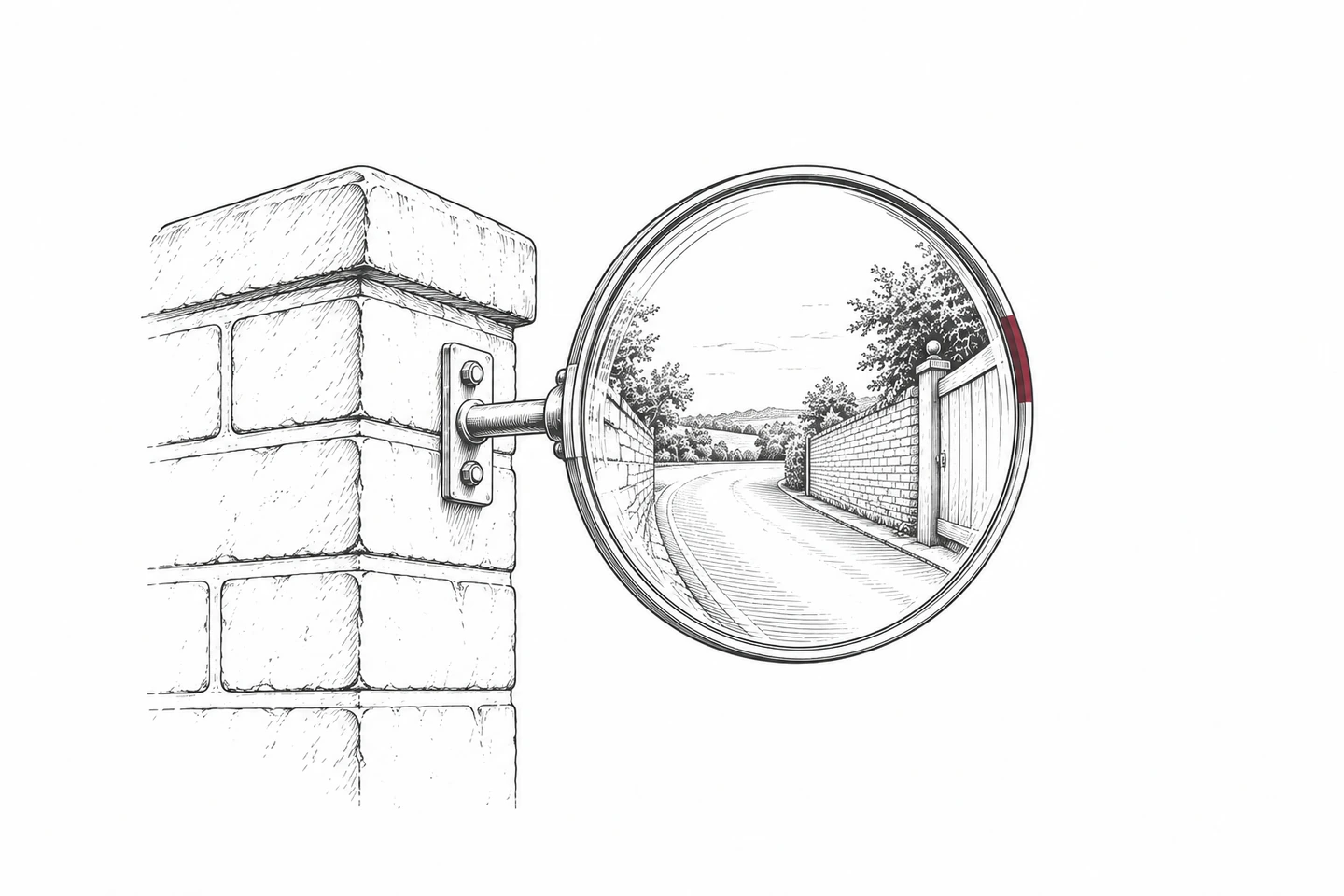
This can sometimes be described as hypervigilance.
Phoenix should keep that term primarily within the search and explanatory layer.
The functional presentation is:
a substantial amount of attention and regulatory capacity is being used to monitor whether something unsafe may be about to happen.
Phoenix Encyclopaedia
What this might look like
A young person might:
- repeatedly scan a room
- notice small changes in adults' tone or behaviour
- startle easily
- sit where they can see the door
- struggle to concentrate when people are moving behind them
- monitor other pupils closely
- repeatedly ask whether something is wrong
- react strongly to raised voices
- notice conflict elsewhere in the room immediately
- struggle to relax in unfamiliar environments
- become distressed when they cannot see what is happening
- interpret ambiguous events cautiously
- appear restless or tense
- sleep lightly or find it difficult to settle
- become exhausted after spending long periods monitoring the environment.

Phoenix Encyclopaedia
Developmental expression
At this stage
Early childhood
Young children rely heavily on adults for signals about whether the environment is safe. Heightened alertness may show through proximity seeking, startle, distress, watchfulness or changes in play.
Early childhood
Young children rely heavily on adults for signals about whether the environment is safe. Heightened alertness may show through proximity seeking, startle, distress, watchfulness or changes in play.
Middle childhood
School introduces large social environments that young people cannot fully control. Monitoring adults, peers, corridors or classroom activity may compete substantially with learning.
Early adolescence
Peer relationships and social status become increasingly complex. Threat monitoring may extend to messages, group dynamics, facial expressions and subtle signs of exclusion.
Later adolescence
Greater independence can reduce some sources of threat while introducing others through relationships, travel, employment and community environments.
Choose each stage to see how the presentation and surrounding expectations may change over time.
Phoenix Encyclopaedia
Strengths and differences
Strong environmental awareness can coexist with:
- perceptiveness
- rapid recognition of change
- sensitivity to other people's emotional states
- preparedness
- strong situational awareness
- ability to identify emerging problems.
The goal is not to make a young person less observant.
It is to reduce situations in which constant observation is necessary for them to feel sufficiently safe.
Phoenix Encyclopaedia
Top tips for support
- Establish whether the environment actually is safe.
- Avoid beginning with “there's nothing to worry about.”
- Make adult behaviour predictable.
- Give warning before sudden changes.
- Reduce unnecessary shouting, confrontation and public conflict.
- Allow seating or positioning that increases felt safety where reasonable.
- Build reliable relationships.
- Explain unusual events rather than expecting the young person to ignore them.
- Help distinguish current threat from anticipated threat when the young person is sufficiently regulated.
- Protect access to calm spaces without requiring crisis first.
Phoenix Encyclopaedia
Things needing careful planning
Heightened threat monitoring is recognised within several psychological contexts, including post-traumatic stress.
NICE includes hyperarousal, including hypervigilance, among presentations associated with PTSD and specifically notes hypervigilance among possible responses following traumatic experiences in children. (1)
But Phoenix should not reverse that relationship:
hypervigilance can occur in PTSD; heightened alertness does not establish PTSD.
There may also be a highly rational reason for vigilance.
A young person experiencing:
- bullying
- racism
- homophobia
- abuse
- community violence
- unstable caregiving
- unpredictable adult behaviour
may be accurately detecting increased risk.
An intervention designed solely to make them less vigilant without changing the environment would therefore be badly formulated.
Phoenix Encyclopaedia
Practical support principles
Useful support may include:
- reliable relationships
- environmental predictability
- clear safeguarding
- anti-bullying action
- transparent expectations
- access to safe spaces
- co-regulation
- sensory/environmental adaptations
- trauma-informed psychological support where appropriate
- explicit safety planning where actual risk exists.
A Phoenix formulation should ask:
“What has this young person learned they need to watch for — and does their current environment still require it?”
From understanding to support
Phoenix Atlas connections
Often useful
- relationship and trust building
- predictable environments
- low-arousal practice
- safeguarding and anti-bullying approaches
- co-regulation
Worth considering
- trauma-focused intervention
- anxiety-informed approaches
- safety planning
- specialist psychological support.
Phoenix Encyclopaedia
Evidence and cautions
NICE emphasises that PTSD assessment should consider re-experiencing, avoidance, hyperarousal, dissociation, mood/cognitive changes and functional impact together rather than inferring PTSD from one feature. (1)
It also recommends attention to social and personal factors involved in developing or maintaining difficulties. (1)
That aligns strongly with Phoenix:
Before attempting to reduce threat monitoring, investigate the threat environment.
Phoenix Encyclopaedia
Public evidence sources
- Post-traumatic stress disorder — NICE guideline.
Phoenix Encyclopaedia
Possible explanatory lenses
Relevant possibilities include:
- actual environmental threat
- anxiety
- trauma-related responses
- bullying or victimisation
- relational unpredictability
- sensory sensitivity
- rejection sensitivity
- previous frightening experiences
- sleep deprivation
- cultural/minoritised experiences of threat.
About this entry’s source
Open Beta · read the evidence notes and limitations
Source status describes the underlying material. The current site edition is Open Beta; the evidence notes and limitations remain part of the entry.