
E019 · Sensory experience, body & daily living
Sensory seeking
What might a young person be gaining from repeated movement, touch, sound, pressure, taste or visual input — and how can that need be met safely without suppressing useful self-regulation?
Phoenix Encyclopaedia
Overview
People continually use sensation to become alert, settle, orient, explore and act. Some young people seek particular kinds or intensities of input more often than the setting expects.
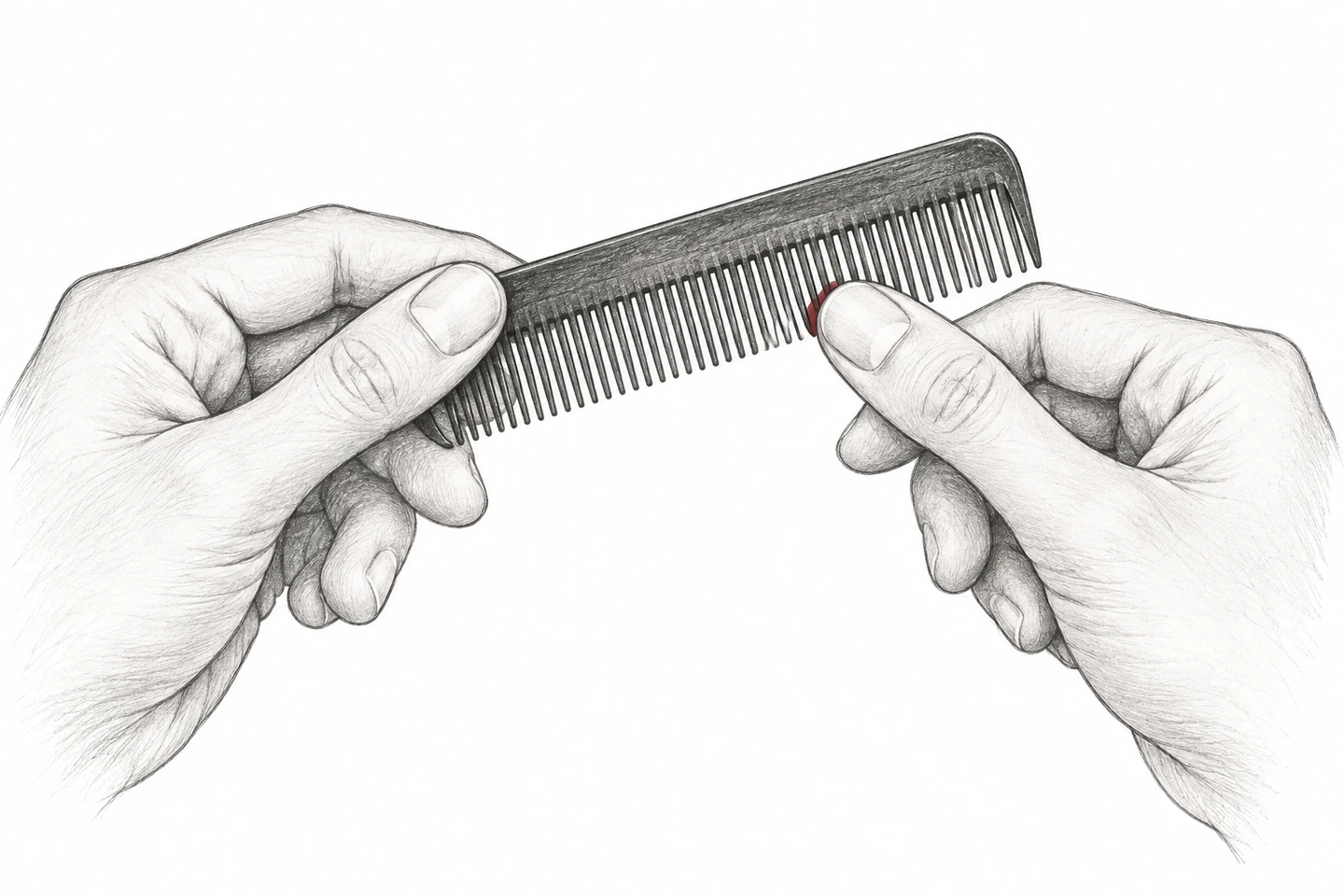
Sensory seeking may include movement, deep pressure, touch, chewing, sound, smell, bright or moving visual input, or repeated body sensations. The same action can serve several purposes: pleasure, curiosity, regulation, communication, escape from an under-stimulating task, relief from uncertainty or access to social interaction.
A young person may seek one kind of input while avoiding another. They may need strong movement to feel organised yet be distressed by unpredictable touch. Their needs may change with sleep, illness, arousal, environment and task.
Sensory seeking is a description, not a diagnosis. The practical goal is not to make the young person look still. It is to understand what the input does, preserve harmless and effective strategies, and make unsafe or disruptive routes safer and more accessible.
Phoenix Encyclopaedia
What this might look like
A young person might:
- rock, bounce, spin, pace or change position repeatedly;
- run, jump, crash, climb or hang upside down;
- lean heavily on furniture or other people;
- seek hugs, squeezing, tight clothing or weighted objects;
- tap, click, hum, repeat sounds or listen at high volume;
- touch surfaces, hair, clothing, water or moving objects;
- watch reflections, wheels, fans, lights or objects close to the eyes;
- smell people, objects or food;
- chew sleeves, pencils, hair, fingers or non-food objects;
- prefer strong flavours, temperatures or crunchy textures;
- scribble, dismantle, pour, sort or manipulate materials repetitively;
- create conflict in order to obtain intense interaction;
- concentrate better when moving or using the hands;
- seek more input when tired, anxious, bored or required to wait;
- become distressed when a familiar sensory strategy is removed.
Repeated movement or sound can be joyful, communicative and regulating. It should not automatically be treated as a symptom to extinguish. The question is whether it is safe, chosen, effective and compatible with the young person’s own participation and the legitimate needs of others.
Phoenix Encyclopaedia
How this may change through development
At this stage
Early childhood
Exploration is highly sensory and active. Mouthing, climbing, spinning and messy play can be developmentally ordinary, so adults should judge the intensity, persistence, risk and impact rather than the action in isolation.
Safe access to movement and varied play can reduce the need to seek input through hazards.
Early childhood
Exploration is highly sensory and active. Mouthing, climbing, spinning and messy play can be developmentally ordinary, so adults should judge the intensity, persistence, risk and impact rather than the action in isolation.
Safe access to movement and varied play can reduce the need to seek input through hazards.
Middle childhood
School increasingly rewards stillness. A child may suppress movement in class, seek it through rough play, or be repeatedly sanctioned for touching and fiddling.
Discrete tools can help, but support should not imply that regulation must be invisible. Planned whole-body activity may be more useful than a small object when the need is for strong movement or pressure.
Early adolescence
Self-consciousness and peer judgement may lead a young person to hide sensory strategies. They may seek intensity through sport, music, gaming, risk-taking, skin picking, chewing, energy drinks or repetitive movement in private.
Support should become collaborative and age-respectful, including discussion of consent, hearing, injury and substance-related risk.
Later adolescence
The young person may build a personal repertoire through exercise, work, music, clothing, food, travel and environmental control.
College, employment and independent living require portable, socially workable options, but the aim remains access rather than conformity. Safety planning may be needed where seeking involves driving, machinery, heights, fire, substances or self-injury.
Choose each stage to see how the presentation and surrounding expectations may change over time.
Phoenix Encyclopaedia
Strengths and differences
Sensory seeking can coexist with:
- physical confidence and enjoyment of movement;
- curiosity about materials and how things work;
- musical, rhythmic or visual creativity;
- practical and hands-on learning;
- energetic participation;
- detailed sensory discrimination;
- persistence and experimentation;
- strong self-knowledge about regulating input;
- connection with others through shared movement, music or play.
These strengths are real. They do not remove the need to address injury, ingestion, hearing damage, unwanted touch or barriers to participation.
Phoenix Encyclopaedia
Top tips for support
Ask what changes after the action
Does the young person become calmer, more alert, less distressed, more connected or better able to work? The effect is more informative than an adult guess based on how the action looks.
Preserve safe strategies
If rocking, doodling, pacing or manipulating an object helps and causes no meaningful harm, make room for it. Suppression can remove a regulation tool without providing another.
Match the scale of the alternative
A tiny fidget may not replace running, lifting or deep pressure. Offer input with a similar function and sufficient intensity, then observe whether it actually helps.
Make access predictable
Build chosen movement, practical tasks and sensory opportunities into the day before dysregulation. Do not make them rewards that disappear after difficulty.
Teach consent and boundaries concretely
Seeking touch, smell or physical impact may involve other people. Teach ways to ask, alternatives when the answer is no, and how others can communicate their boundaries without shaming the need.
Separate regulation from learning avoidance
Movement may support engagement, or it may help the young person leave an inaccessible task. Both possibilities deserve attention. Improve the task as well as the sensory route.
Review safety
Chewing, eating non-food items, high volume, head impact, breath restriction, spinning to collapse or dangerous climbing require specific assessment and safer alternatives.
Phoenix Encyclopaedia
Things needing careful planning
Create a functional sensory map rather than a list of likes and dislikes.
Consider:
- the exact action and the sensory qualities involved;
- time, setting, task and emotional state;
- what happens immediately before and after;
- whether the action increases alertness, reduces distress or serves another function;
- the young person’s own account and preferences;
- communication, pain, hunger, sleep and medication;
- safety, consent and effect on other people;
- motor coordination, balance and body awareness;
- chewing, swallowing and possible ingestion of non-food material;
- volume and hearing risk;
- whether an alternative is equally available, effective and acceptable;
- impact on participation across school, home and community.
Use specialist occupational-therapy, medical, speech-and-language, dental or dietetic assessment where the pattern affects safety, feeding, swallowing, pain, daily function or participation. Equipment involving weight, compression, suspension or vigorous movement should be individually considered and used as intended, not improvised.
Phoenix Encyclopaedia
Practical support principles
Use a function-first sensory plan.
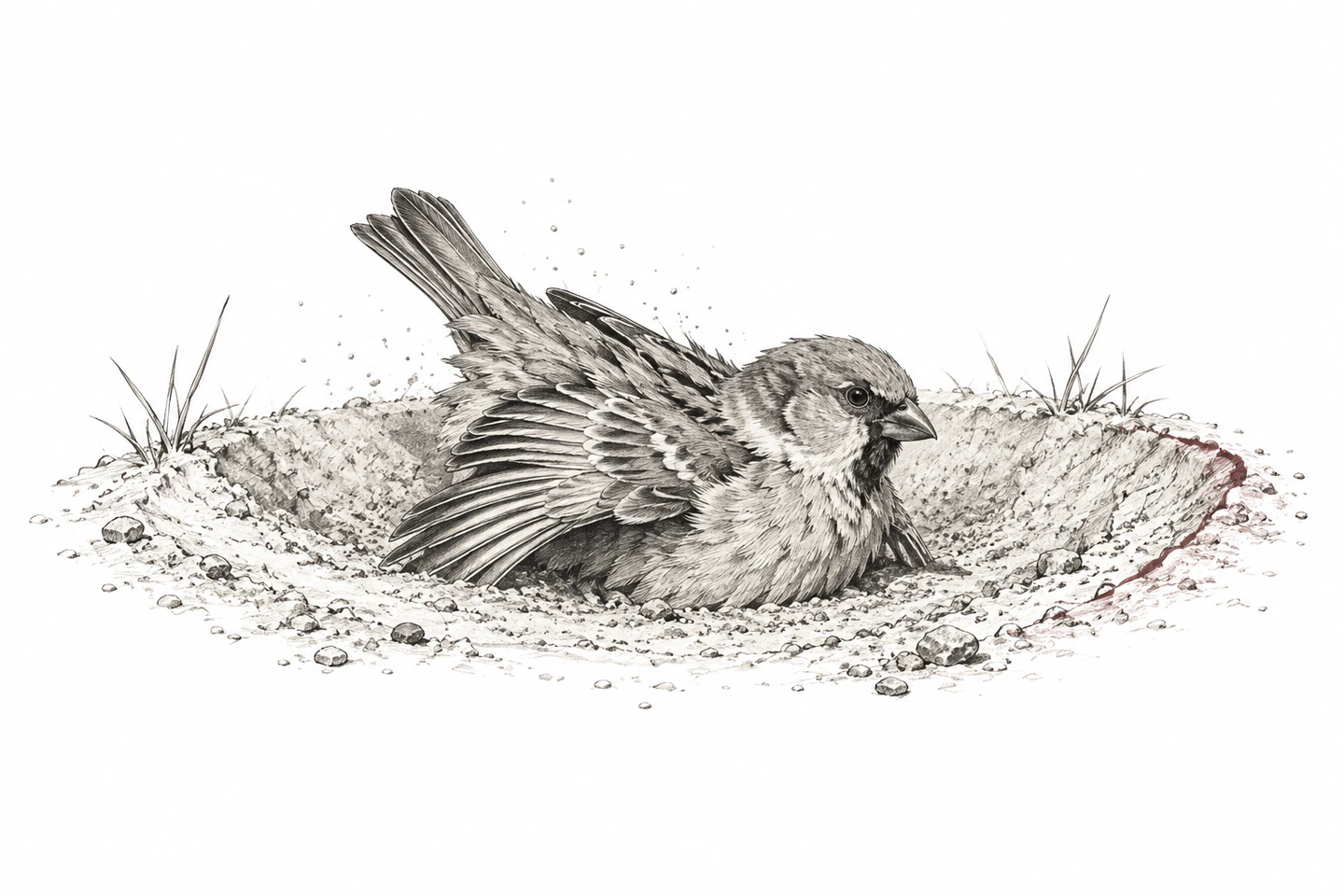
1. Notice — describe the action, context and effect without judgement. 2. Ask — include the young person’s meaning, preference and consent. 3. Preserve — retain safe, effective self-regulation. 4. Adapt — change the environment and schedule access before overload or under-arousal. 5. Substitute — where necessary, offer a safer route with a genuinely similar function. 6. Review — measure participation, comfort, safety and autonomy rather than stillness.
A plan should remain flexible. Input that helps on one day may overwhelm on another, and a strategy chosen by the young person is more likely to be used than one imposed for adult convenience.
From understanding to support
Relevant Phoenix Atlas approaches
| Approach | Fit | Why |
|---|---|---|
| A005 Environmental adaptationAtlas record available | High-priority match | Changes access to movement, materials, noise and space rather than relying on the young person to suppress a need; scheduled for Bramley Batch 03. |
| A016 Executive-function scaffoldingAtlas record available | Worth considering | Makes the timing and route to planned sensory access visible and supports return to an activity. |
| A006 Visual and anticipatory supportsAtlas record available | Worth considering | Can clarify when, where and how sensory choices are available without repeated negotiation. |
| A003 Co-regulationAtlas record available | Context dependent | A trusted adult may help the young person notice changing arousal and choose among familiar options. |
| A001 Low-arousal approachesAtlas record available | Context dependent | Reducing unnecessary environmental intensity can help distinguish a need for regulating input from a response to stress. |
Phoenix Encyclopaedia
Evidence and cautions
Evidence must distinguish a named, fidelity-defined therapy from the much broader collection of “sensory” products and activities. A 2025 systematic review of nine randomised trials of Ayres Sensory Integration, involving 344 children, found strong evidence for progress towards individual occupational-performance and participation goals in autistic children. It found moderate evidence of no benefit for behaviours of concern such as noncompliance or irritability, and noted remaining risk-of-bias concerns and limited evidence for other populations.
A separate recent review of sensory-based interventions stresses that these approaches differ from therapist-delivered Ayres Sensory Integration. Evidence for one defined intervention should not be used to validate every weighted item, brushing programme, listening product or sensory room.
NICE specifically advises against auditory integration training for speech and language problems in autistic children and young people. More generally, an intervention should have an explicit functional goal, informed consent, safe delivery and a review point. If it does not improve participation or wellbeing, its sensory rationale is not enough reason to continue.
Everyday environmental adaptation and permission to use harmless regulation strategies do not need to wait for a contested explanatory label. Specialist therapy, however, should be delivered by an appropriately qualified practitioner and evaluated against individual functional outcomes.
Source notes
- Acuña and colleagues (2025) — Ayres Sensory Integration with children aged 0–12: systematic review of randomised trials
- Piller and colleagues — Systematic review of sensory-based interventions for children and young people, 2015–2024
- NICE — Autism spectrum disorder in under 19s: support and management
Phoenix Encyclopaedia
Explanatory lenses
Sensory seeking may occur alongside autism, ADHD, learning disability, developmental coordination difficulties, anxiety, trauma, visual or hearing differences, pica, feeding difficulties or other developmental and health presentations.
It can also reflect ordinary development, pleasure, culture, boredom, a highly sedentary environment, inaccessible teaching, limited movement opportunity or a learned route to interaction. Similar-looking actions can have different functions.
Diagnosis may support specialist assessment and access. It should not be required before adults make safe movement, communication and environmental adjustments.
The continuing Phoenix question is:
“What useful experience is this young person seeking, and how can they access it safely, effectively and with greater choice?”
About this entry’s source
Open Beta · read the evidence notes and limitations
Source status describes the underlying material. The current site edition is Open Beta; the evidence notes and limitations remain part of the entry.
Phoenix Atlas · Open Beta
Explore connected approaches
These Atlas entries link to this topic for a specific reading purpose. Follow the connection and its limits in the entry; it is not an automatic intervention recommendation.
validation is being completed by subject matter experts