
E093 · Participation, relationships & agency
Difficulty trusting or relying on adults
What might be happening when a young person finds it difficult to trust that adults will be reliable, safe, truthful or helpful enough to depend on?
Phoenix Encyclopaedia
Overview
Trust is not simply a personality trait.
To rely on another person, a young person has to make a judgement — often based on previous experience — that this person is likely to:
- do what they say
- respond predictably
- respect boundaries
- keep appropriate confidence
- offer help when it is needed
- remain available following mistakes or disagreements
- use their greater power responsibly.
Some young people approach adults cautiously.
They may expect adults to:
- let them down
- change the rules
- become angry
- disclose private information
- withdraw support
- misunderstand them
- use what they say against them.
That caution may have developed for good reasons.
Phoenix should therefore never begin with:
“How do we make this young person more trusting?”
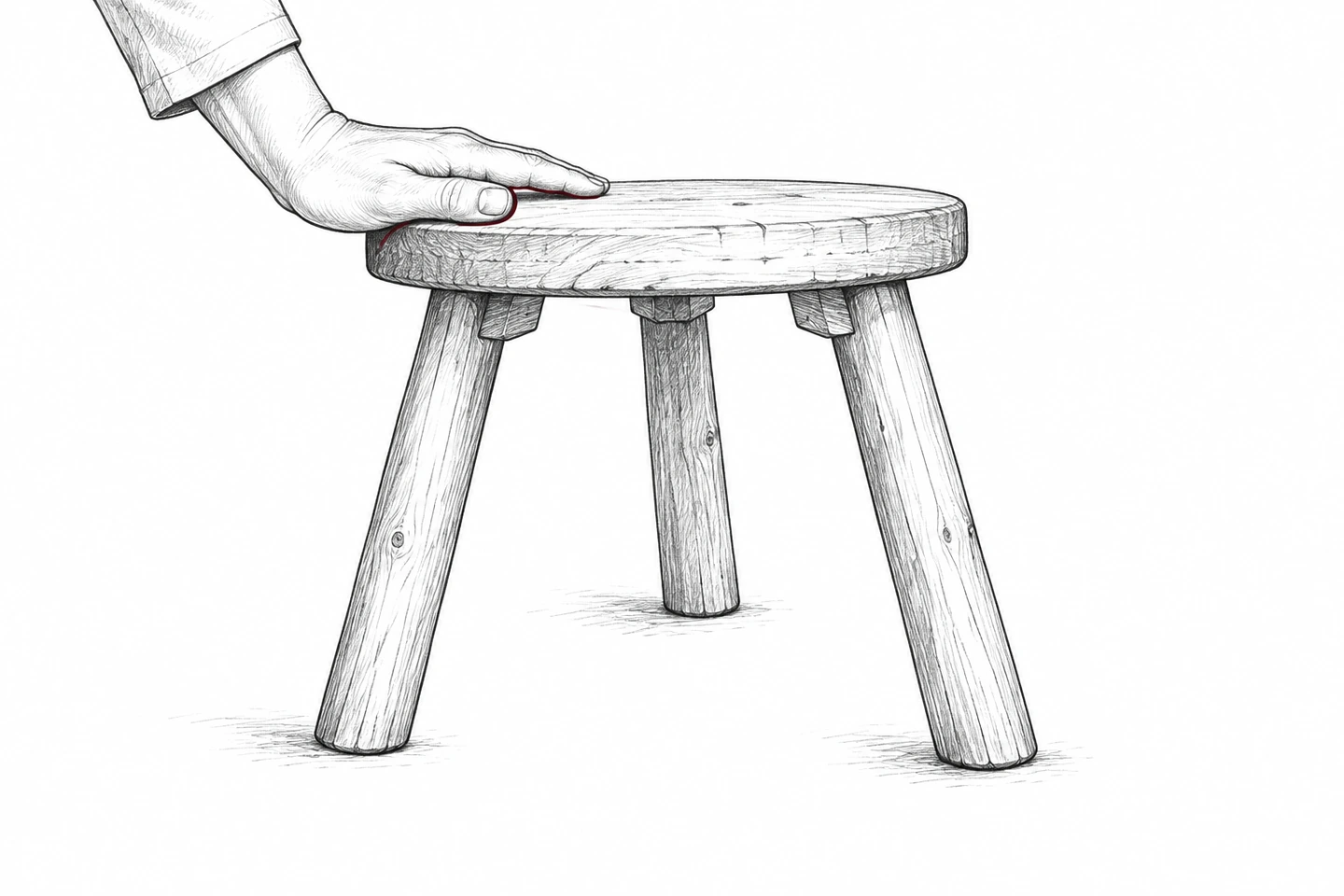
Trust needs an object.
The more useful questions are:
“Who are we asking them to trust?”
and
“Has that person or system behaved in ways that make trust reasonable?”
Phoenix Encyclopaedia
What this might look like
A young person might:
- refuse help from unfamiliar adults
- repeatedly test whether adults will keep promises
- expect adults to abandon or disappoint them
- avoid disclosing difficulty
- rely heavily on one trusted person
- assume praise or kindness has another motive
- struggle after staffing changes
- become highly alert to inconsistency
- appear unusually self-reliant
- reject support before it can be withdrawn
- watch how an adult treats other young people before engaging
- disclose information gradually over a long period
- become very distressed when a trusted adult breaks an agreement
- differentiate sharply between adults they trust and those they do not.
Phoenix Encyclopaedia
Developmental expression
At this stage
Early childhood
Young children necessarily depend heavily on adults. Repeated experiences of safety, responsiveness and predictability contribute to expectations about relationships.
Early childhood
Young children necessarily depend heavily on adults. Repeated experiences of safety, responsiveness and predictability contribute to expectations about relationships.
Middle childhood
Schools widen the number of adults young people are expected to rely upon. Trust may become differentiated: one teacher may feel safe while another does not.
Early adolescence
Increasing independence changes relationships with adults, while young people become more aware of hypocrisy, unfairness and differences between what adults say and what they do.
Later adolescence
Young people increasingly need to navigate professionals, employers, health services and other adults outside close family relationships, making the ability to judge trustworthiness particularly important.
Choose each stage to see how the presentation and surrounding expectations may change over time.
Phoenix Encyclopaedia
Strengths and differences
Caution in trusting can coexist with:
- strong observation
- independence
- careful judgement
- awareness of power
- loyalty once trust has been earned
- capacity to recognise inconsistency.
Trusting indiscriminately is not the desired alternative.
The goal is not:
“Trust adults.”
It is:
“Develop enough information, safety and agency to decide whom to trust, for what, and how much.”
Phoenix Encyclopaedia
Top tips for support
- Keep promises — especially small ones.
- If something changes, explain why.
- Be clear about the limits of confidentiality.
- Do not demand personal disclosure as evidence of relationship.
- Allow trust to develop through repeated experience.
- Repair mistakes openly.
- Avoid promising outcomes you cannot control.
- Respect legitimate caution.
- Provide continuity in important relationships where possible.
- Let the young person see adults use power responsibly.
Phoenix Encyclopaedia
Things needing careful planning
Trust develops within relationships and environments.
A 2024 developmental review describes adolescence as an important period for changing trust judgements and highlights how previous social experience and adversity can influence expectations about whether other people are trustworthy. (1)
Research on teacher–student relationships also needs cultural caution: a 2024 cross-cultural systematic review noted that dominant conceptualisations of teacher–student relationships have been disproportionately grounded in Western frameworks. (2)
That reinforces our Phoenix context test.
What counts as:
- appropriate closeness
- independence
- authority
- disclosure
- adult–young-person interaction
varies across cultures and communities.
We should assess whether the relationship gives the young person safety, dignity and useful access, rather than comparing it with one culturally preferred model of teacher–pupil relationship.
Phoenix Encyclopaedia
Practical support principles
Useful support can include:
- consistent relationships
- transparent communication
- clear confidentiality boundaries
- predictable responses
- supported transitions between adults
- relational repair
- choice about which trusted adult to approach
- opportunities for gradual engagement
- advocacy where institutional relationships have repeatedly failed the young person.

From understanding to support
Phoenix Atlas connections
Often useful
- relationship and trust building
- relational practice
- predictable environments
- psychologically safe communication
- supported transitions
Worth considering
- systemic approaches
- trauma-informed psychological support
- mentoring
- advocacy.
Phoenix Encyclopaedia
Evidence and cautions
Trust should not become another behavioural target.
An intervention producing greater compliance with adults does not demonstrate greater trust.
A young person may obey an adult because they:
- fear consequences
- have stopped protesting
- believe resistance is pointless
- are masking distress.
Phoenix therefore needs to distinguish:
trust from obedience.
A trustworthy system should expand the young person's ability to make informed relational judgements — including the ability to decide not to trust somebody when that is warranted.
Phoenix Encyclopaedia
Public evidence sources
- Development of trust judgements in adolescence — developmental review.
- Teacher-student relationships across cultures — systematic review.
Phoenix Encyclopaedia
Possible explanatory lenses
Relevant possibilities include:
- previous relational experiences
- repeated adult inconsistency
- loss or disruption
- trauma
- anxiety
- safeguarding experiences
- institutional failure
- communication
- attachment-related processes
- discrimination
- cultural expectations around authority.
About this entry’s source
Open Beta · read the evidence notes and limitations
Source status describes the underlying material. The current site edition is Open Beta; the evidence notes and limitations remain part of the entry.
Phoenix Atlas · Open Beta
Explore connected approaches
These Atlas entries link to this topic for a specific reading purpose. Follow the connection and its limits in the entry; it is not an automatic intervention recommendation.
validation is being completed by subject matter experts