
E079 · Sensory experience, body & daily living
Strong responses to sound
What might be happening when particular sounds, volumes or auditory environments cause a young person significant discomfort, distress, distraction or need to escape?
Phoenix Encyclopaedia
Overview
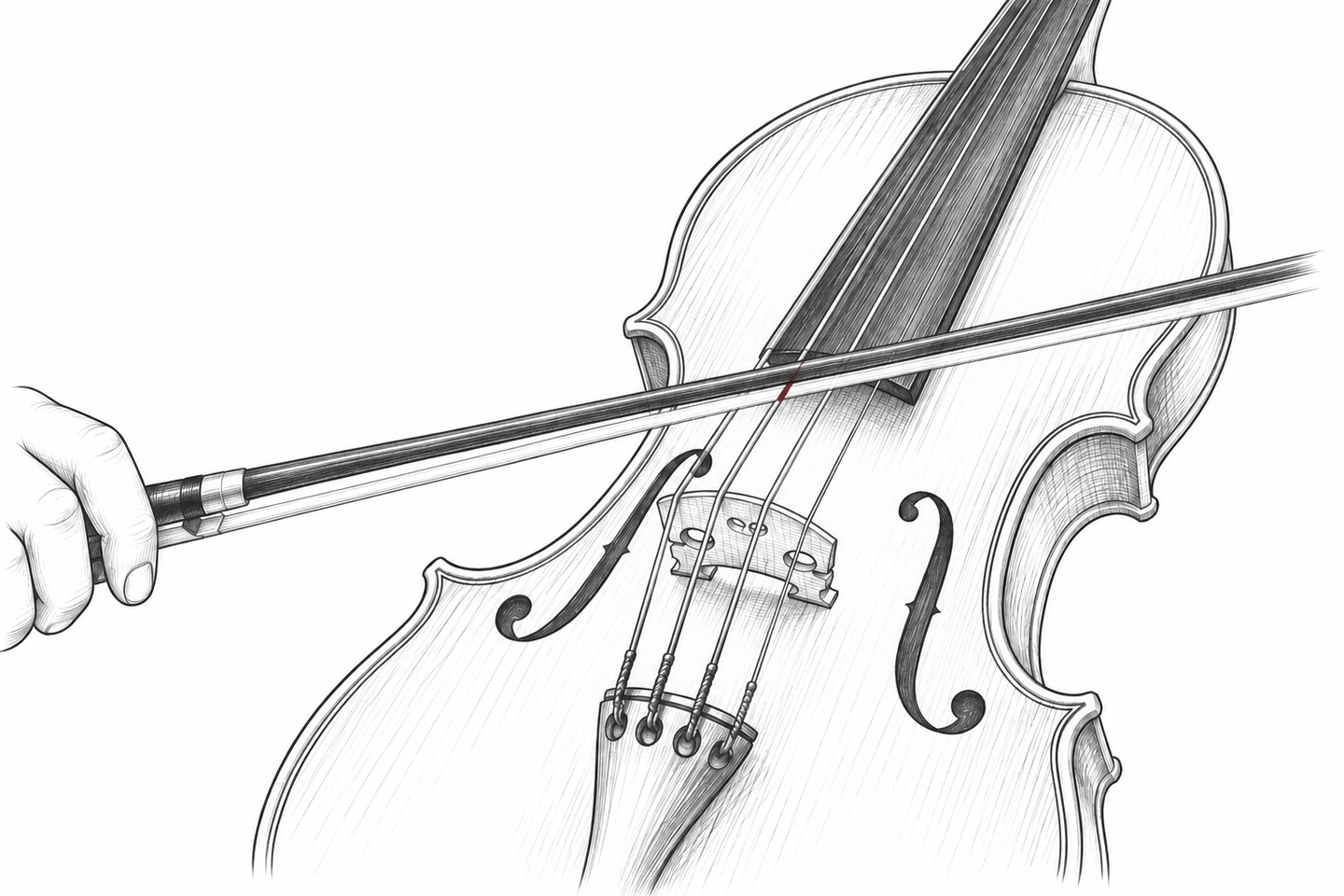
Sound is not experienced identically by everyone.
For some young people, particular sounds or sound environments can feel unusually:
- intense
- painful
- startling
- intrusive
- unpredictable
- impossible to ignore
- emotionally aversive.
Difficulty may relate to the volume of a sound, but not always.
A quieter repetitive noise may be much harder to tolerate than a loud sound the young person has chosen and controls.
Context, predictability, meaning and control can therefore matter as much as decibels.
A young person may enjoy loud music they have selected while finding a hand dryer, scraping chair, chewing sound or crowded dining hall extremely difficult.
This means adults should avoid simplistic interpretations such as:
“They can't be sound-sensitive because they listen to loud music.”
Phoenix Encyclopaedia
What this might look like
A young person might:
- cover their ears
- leave noisy environments
- become distressed by alarms, hand dryers or bells
- find dining halls or assemblies difficult
- anticipate particular noises anxiously
- notice sounds others barely register
- find certain repetitive sounds intensely aversive
- struggle to listen when background noise is present
- become irritable or overwhelmed as noise accumulates
- use headphones or ear defenders
- avoid toilets because of hand dryers
- struggle with sudden or unpredictable sounds
- tolerate chosen sound better than externally imposed sound
- become exhausted after prolonged exposure to noisy environments.
Phoenix Encyclopaedia
Developmental expression
At this stage
Early childhood
Unexpected appliances, toilets, public spaces and group settings may contain sounds the young person cannot predict or control.
Early childhood
Unexpected appliances, toilets, public spaces and group settings may contain sounds the young person cannot predict or control.
Middle childhood
Dining halls, playgrounds, assemblies, music, PE and busy classrooms increase sustained auditory demand.
Early adolescence
School environments become larger and transitions between crowded spaces more frequent. Self-consciousness may make visible use of hearing protection harder.
Later adolescence
Transport, work, social venues and independent community access can introduce new auditory environments and expectations.
Choose each stage to see how the presentation and surrounding expectations may change over time.
Phoenix Encyclopaedia
Strengths and differences
Strong auditory sensitivity may coexist with:
- noticing subtle changes in sound
- musical sensitivity
- detailed auditory perception
- awareness of environmental information
- strong appreciation of preferred sound.
Phoenix should not treat sensitivity itself as a deficit to eradicate.
The functional question is whether sound is restricting access, causing distress or consuming capacity needed for something else.
Phoenix Encyclopaedia
Top tips for support
- Identify which sounds are difficult rather than assuming all noise is equally problematic.
- Reduce avoidable background noise.
- Provide warning before predictable loud sounds.
- Allow access to quieter spaces.
- Permit appropriate hearing protection.
- Consider alternatives to particularly difficult environments.
- Increase control where possible.
- Avoid deliberately exposing a young person to distressing sound simply to make them tolerate it.
- Ask whether the problem is intensity, unpredictability, repetition, meaning or inability to escape.
- Consider acoustic changes to the environment.
Phoenix Encyclopaedia
Things needing careful planning
There are several different terms for reduced tolerance of sound, including hyperacusis, misophonia, phonophobia and broader auditory hypersensitivity.
These terms do not all mean the same thing.
They may describe different relationships with loudness, particular patterned sounds, fear or emotional response.
They therefore belong mainly in Phoenix's search/explanatory layer rather than being collapsed into one canonical diagnosis.
Where sound is experienced as painful, there is a marked change in hearing, tinnitus is present, or hearing difficulties are suspected, audiological or medical assessment may be appropriate.
Phoenix Encyclopaedia
Practical support principles
Support may include:
- acoustic adaptation
- quieter spaces
- predictable warning
- control over sound sources
- environmental alternatives
- ear defenders/headphones where safe and useful
- seating choices
- reduced exposure to unavoidable high-demand environments
- occupational-therapy input
- audiology where indicated
- regulation planning for unavoidable sound.
From understanding to support
Phoenix Atlas connections
Often useful
- environmental and acoustic adaptation
- sensory-informed practice
- regulation planning
- anticipatory supports
Worth considering
- occupational-therapy assessment
- audiology
- individualised sound-tolerance work where genuinely desired by the young person.
Phoenix Encyclopaedia
Evidence and cautions
Auditory sensitivity is represented in several overlapping literatures and diagnostic contexts. Recent review work illustrates relationships between auditory processing, sound intolerance, anxiety and overload while also showing that these experiences are heterogeneous. (1)
The evidence for interventions specifically designed to reduce auditory hypersensitivity remains limited. A 2025 systematic review of sound-based interventions found only eight eligible studies covering six approaches, with high heterogeneity and a need for better-quality trials. (1)
That gives Phoenix an important caution:
we should be considerably more confident recommending environmental access and individualised support than claiming that a particular sensory treatment will normalise auditory processing.
Phoenix Encyclopaedia
Public evidence sources
- Sound-based interventions for auditory hypersensitivity — systematic review.
Phoenix Encyclopaedia
Possible explanatory lenses
Relevant possibilities include:
- sensory reactivity
- hearing
- hyperacusis
- misophonia
- anxiety
- prediction and control
- sensory overload
- auditory processing
- fatigue
- previous aversive experiences
- environmental acoustics.
About this entry’s source
Open Beta · read the evidence notes and limitations
Source status describes the underlying material. The current site edition is Open Beta; the evidence notes and limitations remain part of the entry.