
E090 · Anxiety, uncertainty & threat
Strong responses to reminders of frightening experiences
What might be happening when something in the present seems to evoke an unusually intense emotional, physical or behavioural response because of its connection with something frightening that happened before?
Phoenix Encyclopaedia
Overview
Past experiences shape expectations.
A sound, place, smell, person, date, phrase, physical sensation or situation may resemble some aspect of an earlier frightening experience.
The connection may be obvious.
Sometimes it is not.
The young person may suddenly experience:
- fear
- distress
- physiological arousal
- freezing
- anger
- escape urges
- intrusive memories or images
- a sense that something bad is happening again.
The everyday word “trigger” is often used for this kind of experience but has become broad enough to mean many different things.
Phoenix should therefore keep trigger as a related search term rather than the canonical construct.
The important presentation is:
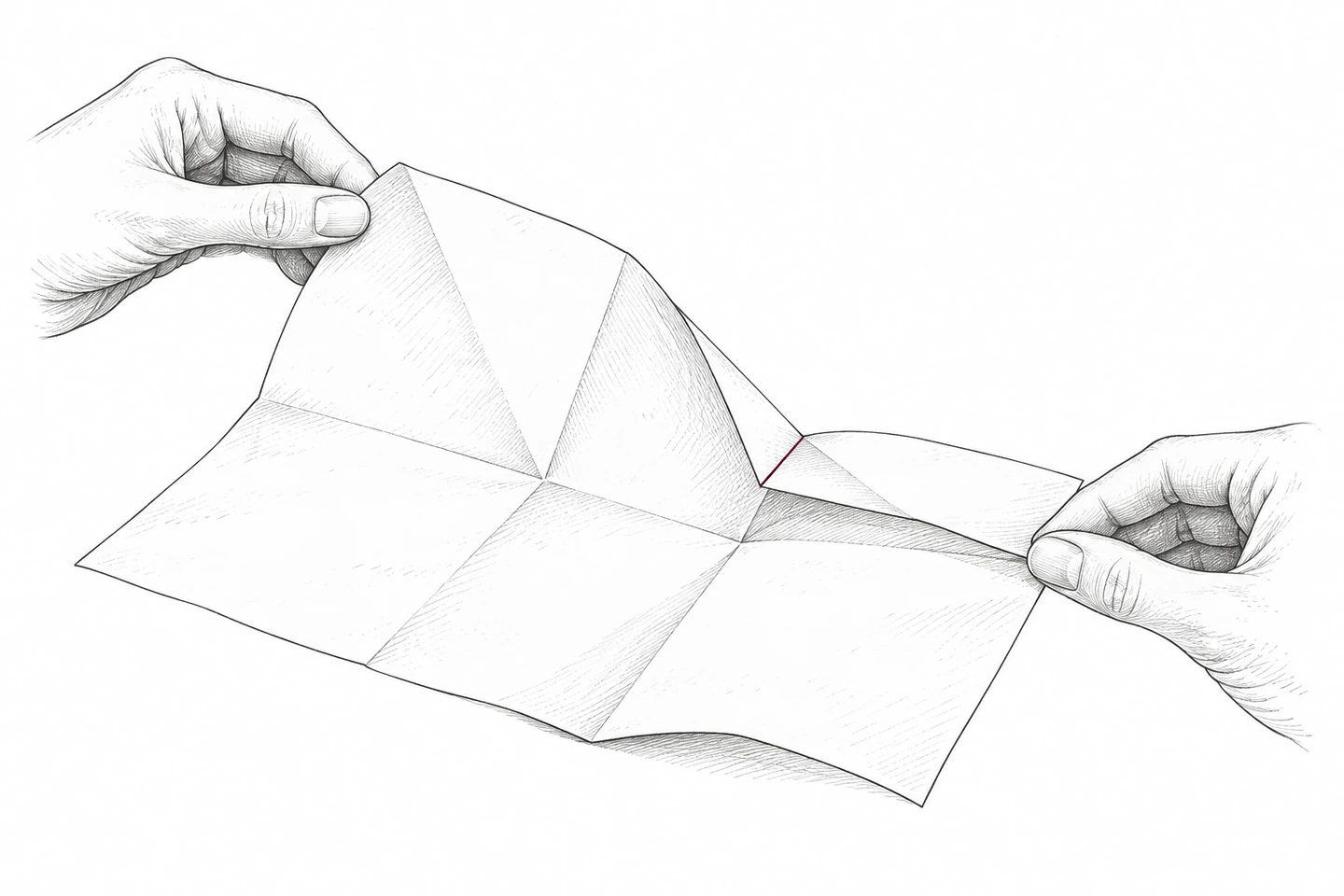
something in the current situation appears to have acquired a powerful connection with an earlier experience of danger or distress.
Phoenix Encyclopaedia
What this might look like
A young person might:
- become highly distressed in a particular place
- react strongly to a particular voice, smell or sound
- freeze when somebody uses a particular phrase
- become frightened by situations that resemble something that happened previously
- experience intrusive memories
- seem suddenly transported away from the present situation
- react strongly around anniversaries or significant dates
- avoid particular people, rooms or activities
- become physically distressed without initially understanding why
- respond more strongly than the immediate situation alone appears to explain
- recognise the connection later but not during the episode
- experience nightmares or repetitive distressing play connected with the experience.

Phoenix Encyclopaedia
Developmental expression
At this stage
Early childhood
Young children may express trauma-related reminders through behaviour, play, physical distress, sleep changes or proximity seeking rather than a coherent verbal account.
Early childhood
Young children may express trauma-related reminders through behaviour, play, physical distress, sleep changes or proximity seeking rather than a coherent verbal account.
Middle childhood
Young people may become increasingly able to connect current situations with previous events, although reminders can still operate before that connection is consciously recognised.
Early adolescence
Greater self-awareness may help some young people identify patterns, while shame or fear about discussing previous experiences can make disclosure harder.
Later adolescence
Relationships, travel, health care, education and emerging independence may encounter reminders outside environments where familiar adults know the young person's history.
Choose each stage to see how the presentation and surrounding expectations may change over time.
Phoenix Encyclopaedia
Strengths and differences
Strong responses to reminders reflect a nervous system attempting to use previous experience to predict danger.
That system is not inherently defective.
It has learned something important.
The difficulty arises when a past danger is being strongly activated in situations where the young person now needs greater capacity to distinguish:
“This resembles what happened then”
from
“The same thing is happening now.”
Phoenix Encyclopaedia
Top tips for support
- Reduce immediate demand.
- Establish present safety.
- Avoid forcing the young person to describe the original event while distressed.
- Help orient gently to the current place and time.
- Use known regulation strategies.
- Ask later whether anything in the situation reminded them of another experience.
- Respect requests to avoid unnecessary reminders.
- Seek specialist support where responses are persistent or significantly restricting life.
- Do not intentionally recreate frightening experiences without an appropriate therapeutic formulation.
Phoenix Encyclopaedia
Things needing careful planning
NICE identifies distress or physiological reactions to trauma reminders, re-experiencing, avoidance and hyperarousal among recognised PTSD phenomena. It also notes that children's responses can include nightmares, repetitive trauma-related play and intrusive thoughts. (1)
But a strong response to a reminder does not by itself establish PTSD.
Nor should Phoenix assume that every intense reaction has a hidden traumatic explanation.
There may instead be:
- sensory pain
- anxiety
- social meaning
- bullying
- communication difficulty
- a previous non-traumatic but highly aversive experience
- actual current danger.
Phoenix Encyclopaedia
Practical support principles
Useful support can include:
- identifying avoidable reminders
- predictable communication
- grounding/orientation
- relational safety
- collaborative safety planning
- regulation strategies
- reducing unnecessary re-exposure
- appropriately trained trauma-focused treatment where indicated.
NICE recommends trauma-focused CBT for children and young people with diagnosed PTSD or clinically important PTSD symptoms and specifies that such interventions should be developmentally adapted and delivered by trained practitioners with ongoing supervision. (1)
That distinction matters:
trauma-sensitive education is not the same thing as trauma therapy.

From understanding to support
Phoenix Atlas connections
Often useful
- trauma-sensitive environmental practice
- low-arousal approaches
- relationship and trust building
- grounding and regulation
- safety planning
Where clinically indicated
- trauma-focused CBT
- specialist psychological intervention
- EMDR in circumstances supported by NICE guidance.
Phoenix Encyclopaedia
Evidence and cautions
NICE recommends comprehensive assessment rather than symptom matching and explicitly considers avoidance, hyperarousal, re-experiencing and functional impact together. (1)
Phoenix should therefore resist the increasingly common tendency to call every upsetting stimulus a “trauma trigger.”
Our question remains:
What is happening for this young person, what evidence connects it to previous experience, and what support does that formulation justify?
Phoenix Encyclopaedia
Public evidence sources
- Post-traumatic stress disorder — NICE guideline.
Phoenix Encyclopaedia
Possible explanatory lenses
Relevant possibilities include:
- trauma-related re-experiencing
- conditioned fear
- sensory memory
- anxiety
- relational experience
- dissociation
- previous aversive experiences
- actual present danger
- anniversary responses.
About this entry’s source
Open Beta · read the evidence notes and limitations
Source status describes the underlying material. The current site edition is Open Beta; the evidence notes and limitations remain part of the entry.